


This Week At A Glance 🔎
— 🇺🇲 Trump Administration to Deny Visas for Content Moderators
— 🇷🇺 Russia Restricts FaceTime, Blocks Roblox, Snapchat
— 🇪🇺 EU Fines X €120M for Violating DSA
— 🇦🇺 Australia Begins Enforcing Social Media Ban
— 🇹🇿 Tanzania Bans Protests, Solidarity Protesters in Kenya Arrested
First of All 🇺🇲
» Trump Administration to Deny Visas for Content Moderation Workers
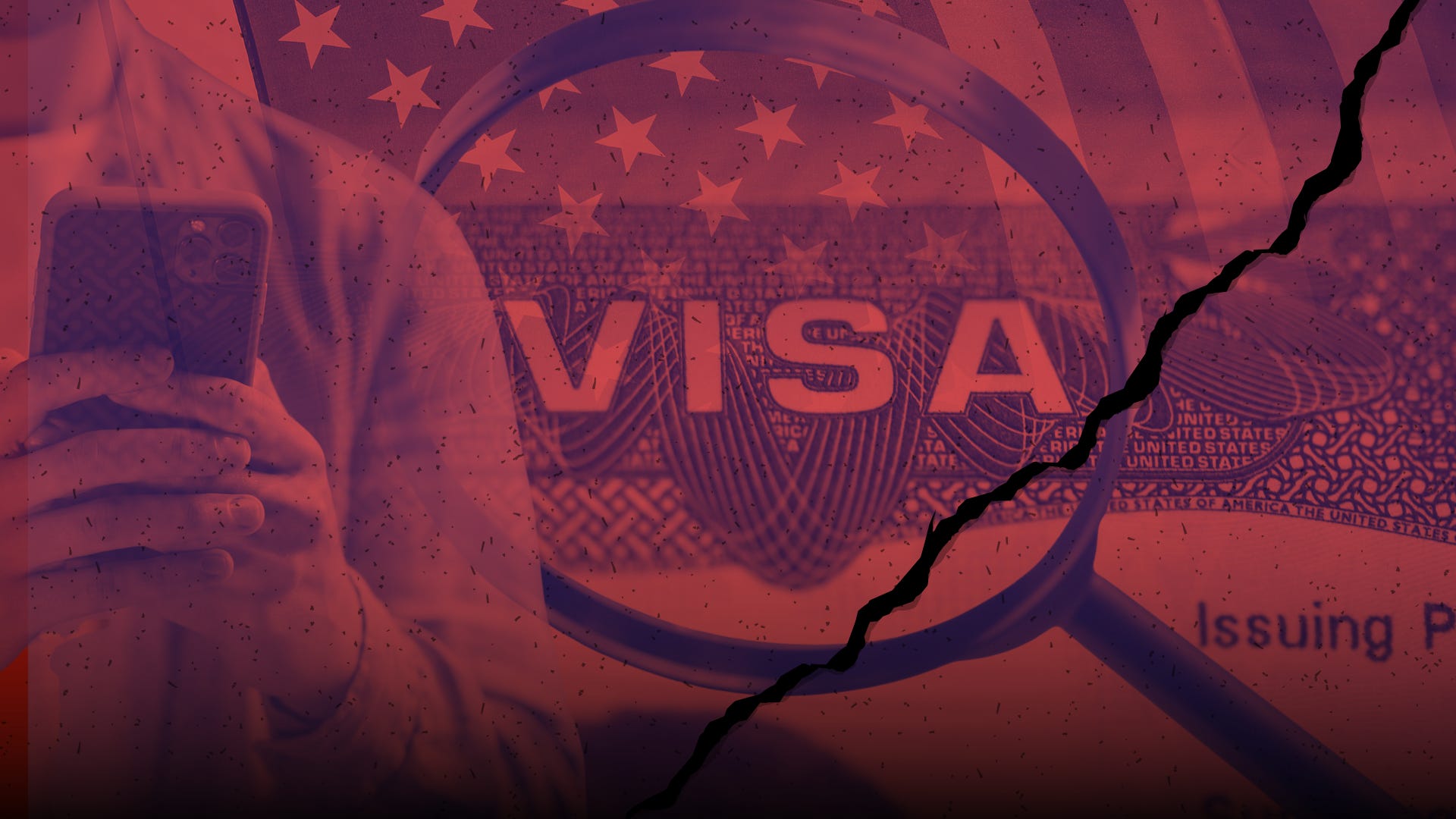
A leaked State Department memo directs its staff to deny visas to applicants who have worked on fact-checking, content moderation, or other activities it considers to be “censoring” Americans’ speech.
Details:
The memo focuses on H-1B visas, which are for highly skilled workers and are commonly utilized by tech companies.
It explicitly refers to a policy that restricts the issuance of visas to “foreign officials and persons who are complicit in censoring Americans,” announced by Secretary of State Marco Rubio in May.
Consular officers are instructed to “thoroughly explore” the work histories of new and returning applicants by reviewing their resumes, LinkedIn profiles, and media appearances for activities related to fact-checking, compliance, trust and safety, content moderation, and combating disinformation.
The memo comes days after the State Department announced that H-1B visa applicants and their dependents must set their social media profiles to “public” for U.S. officials’ review.
» U.S. to Require 5 Year Social Media History of Some Tourists
The U.S. Customs and Border Protection posted a notice that certain tourists, including those from countries like Britain, Australia, France, and Japan, will be required to provide five years of their social media history for inspection as part of their applications to visit the U.S.
Details:
The social media screening would become a mandatory aspect of the Electronic System for Travel Authorization (ESTA) application process, though the proposal is not final and could still be revised.
This would apply to tourists from countries participating in the U.S. Visa Waiver Program who can apply for an ESTA for $40 to visit the country for 90 days or less.
The agency also said it will collect other data, including applicants’ email addresses from the past 10 years, their telephone numbers from the past five years, and the names and details of family members.
The Digital Age 🤖
» Australia Begins Enforcing Teen Social Media Ban
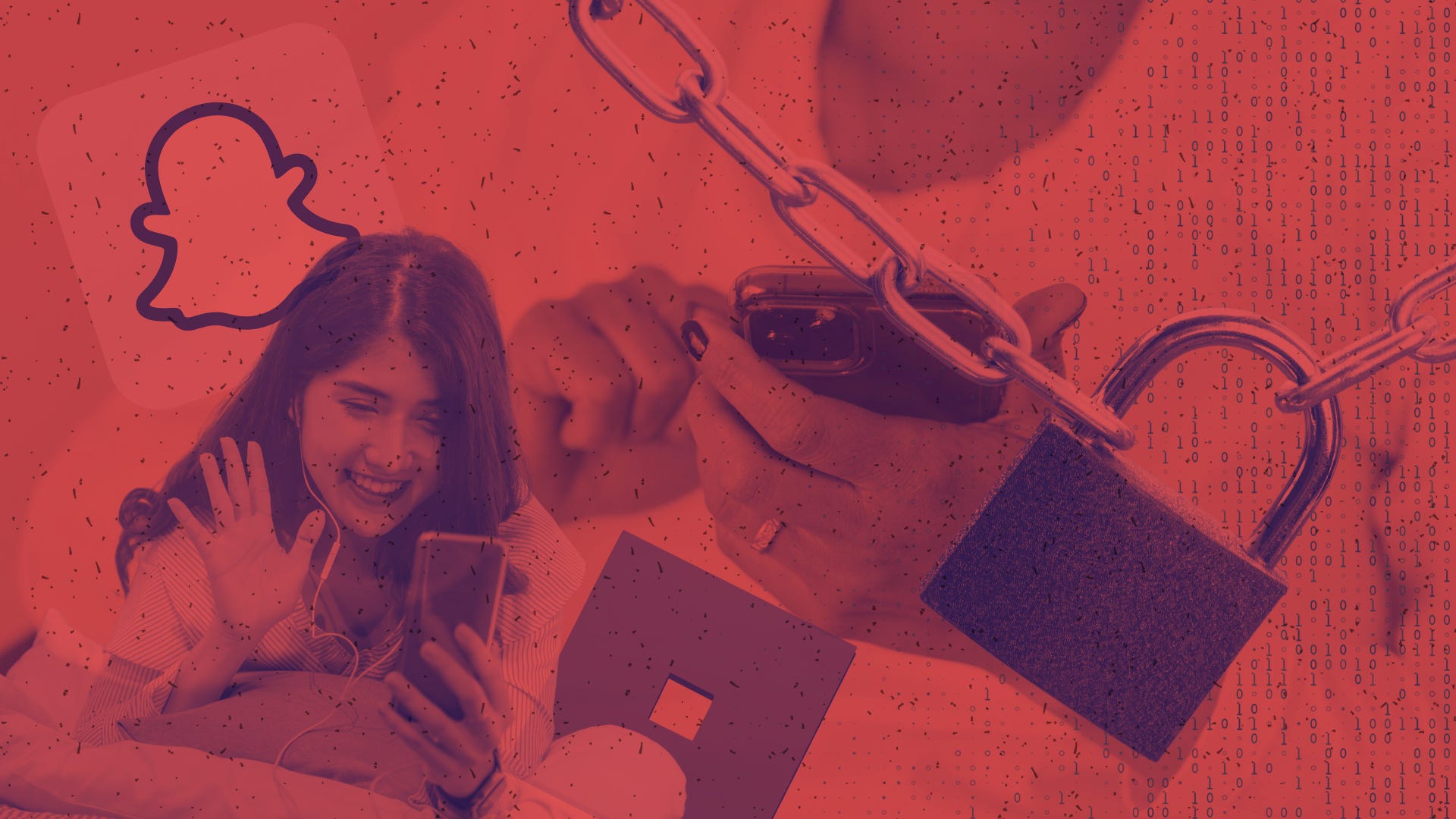
Under a controversial rule that requires platforms to take “reasonable steps” to prevent underage access, Australia has become the first country to formally bar users under the age of 16 from accessing major social media platforms.
Details:
The ban targets 10 services, including Alphabet’s YouTube, Meta’s Instagram, ByteDance’s TikTok, Reddit, Snapchat, and Elon Musk’s X.
Platforms must use age-verification methods such as inference from online activity, facial estimation via selfies, uploaded IDs, or linked bank details to prevent minors from accessing social media.
Local reports show that many children in Australia have been able to bypass age restrictions by using VPNs or by age-assurance tools misclassifying users.
The policy rollout will be closely watched, as other countries such as Denmark, Norway, France, Spain, Malaysia, and New Zealand consider similar bans or restrictions on minors’ social media use.
» Russia Restricts FaceTime, Blocks Roblox, Snapchat
Russian authorities have restricted Apple’s video-calling service, FaceTime, and blocked Snapchat, a messaging app, alleging that the services are being “used to organize and conduct terrorist activities on the territory of the country, to recruit perpetrators, and commit fraud and other crimes against our citizens.”
It also announced a ban on Roblox, an online gaming platform, to protect children from illicit content and “pedophiles who meet minors directly in the game’s chats.”
Background:
The news follows restrictions on encrypted messenger apps Signal and Viber, as well as bans on calls via WhatsApp and Telegram, which Russian authorities say were also used for criminal activity.
Stanislav Seleznev, cybersecurity expert and lawyer, told the Associated Press that possibly tens of millions of Russians have been using FaceTime, especially after calls were banned on the country’s two most popular messaging apps.
Authorities have been simultaneously promoting a state-backed app, MAX, that will be a one-stop shop for messaging, online government services, and payments, and openly declares that user data will be shared with authorities upon request.
» Taiwan Suspends Access to Chinese App, Rednote
Taiwan has announced plans to suspend access to the Chinese social media platform Rednote for a year, sparking claims of censorship from Taiwan’s opposition leaders.
Details:
Taiwan’s interior ministry said the app, known as Xiaohongshu in Chinese, posed security risks and accused it of being involved in more than 1,700 fraud cases since 2024.
Cheng Li-win, chairwoman of Taiwan’s largest opposition party, the Kuomintang, wrote that the suspension “only makes us lament that Taiwan’s long-prized internet freedom and freedom of speech have already been restricted and strangled by the Democratic Progressive Party in the name of national security.”
Taiwan has repeatedly warned against the use of Chinese apps, citing concerns about disinformation from Beijing.
The Brussels Effect: Europe and Beyond 🇪🇺
» EU Fines X €120 Million for Violating Digital Services Act
The European Commission has hit social media platform X with a €120 million fine for breaching its Digital Services Act, the first such penalty under the digital legislation.
Background:
The penalty concerns an investigation launched in late 2023 that examined, among other issues, X’s blue checkmark system, its ad repository, and researchers’ access to data.
The Commission found that by offering paying users blue checkmark verification, the platform deceived users and did not “meaningfully verify” accounts.
It also determined that X was failing to meet the DSA’s transparency requirements and not giving researchers access to public data.
The company has 60 days to respond to the Commission about concerns over its blue checkmark system, or risk additional fines.
Public Reaction:
Days after the fine was imposed, X blocked the European Commission from making advertisements on its platform.
Vice President J.D. Vance and Secretary of State Marco Rubio condemned the fine, accusing the EU regulator of censoring American voices and tech firms.
Experts and the European Commission have argued that the findings do not relate to censorship but, rather, to technical aspects, including account verification and platform transparency.
» EU Proposed Law Could Limit Public Access to Documents
A law known as the Information Security Regulation (Infosec), first tabled by the EU Commission in 2022, risks expanding the range of documents that can be sealed from public scrutiny.
Details:
The law seeks to protect the EU from hybrid threats and would give the EU Commission the same classification powers as the EU Council.
The EU Council has five levels of document security, which would be extended across all EU institutions and bodies if the Infosec law were to pass.
It would also introduce a “need to know” test to papers that do not contain sensitive content, which would require an individual to prove they have a reason to see even routine material.
Unlike the current legal framework governing public access to documents, Infosec does not require institutions to provide reasons for denying access.
Free Speech Recession 🌍
» Lithuanian Journalists Protest Amendments to Broadcast Law
The Lithuanian Parliament has passed amendments to the Law on the Lithuanian National Radio and Television, which governs the country’s public broadcaster, LRT. The changes include implementing budget freezes and modifying management practices.
Details:
On November 25, lawmakers voted to freeze LRT’s annual budget, which was expected to increase by 11% in the upcoming year, at €79.6 million for 2026-2028.
Two days later, Parliament passed a legal amendment lowering the threshold to dismiss the Director General of LRT to a simple majority, rather than the current two-thirds requirement.
Journalists from LRT announced on December 1 that they would begin protesting, claiming the amendments threaten the organization’s editorial independence.
» Tanzania Bans Planned Protests, Kenya Makes Arrests at Solidarity Protest
Tanzanian authorities have banned planned protests on December 9, the country’s independence day, amid unrest following October’s elections.
Several activists were arrested the same day in Kenya, during solidarity protests outside the Tanzanian high commission in the capital, Nairobi.
Pressure Against Protests Tanzania:
Police and military were seen patrolling major cities across Tanzania ahead of anticipated protests on Independence Day, leaving the streets unusually deserted, the BBC reported.
Public transportation services were closed, and motorists reported frequent stops where officers asked about their destinations.
Online, activists suggested demonstrations were unlikely to begin until the afternoon, which has been the case in previous protests, but streets remained deserted.
Ashley Haek is a communications coordinator and research assistant at The Future of Free Speech.