

CJEU Ruling Threatens Online Platforms' Liability Exemptions & India Orders GitHub to Restrict Content | The Free Flow 7/30/26
A CJEU judgment risks online platforms' liability exemptions from user-generated content, India orders GitHub to restrict content, Russia labels its Libertarian Party as "foreign agents," and more.


Editors’ Note: Next week, the Free Flow will be on a hiatus. We will resume publishing the following Thursday, August 13.
Join Us! The 2026 Global Free Speech Summit returns on October 2–3 in Nashville, TN. Hosted by The Future of Free Speech and Vanderbilt University, this event will bring together global leaders, thinkers, and change-makers to confront the most urgent threats to freedom of expression and explore bold, resilient solutions. Guests will have the opportunity to attend networking receptions where they can exchange ideas with speakers and other guests.
🎟️ Spots are limited. Get your tickets here.
This Week at a Glance 🔎
🇪🇺 CJEU Ruling Threatens Liability Exemptions for Online Platforms
🇮🇳 India Orders GitHub to Restrict Content
🇺🇲 Judge Blocks SD Law Against Abortion Advertising
🇷🇺 Russia Labels Libertarian Party Foreign Agents
🇦🇺 Australian Protesters Challenge Ban on Pro-Palestine Slogans
First of All 🇺🇸
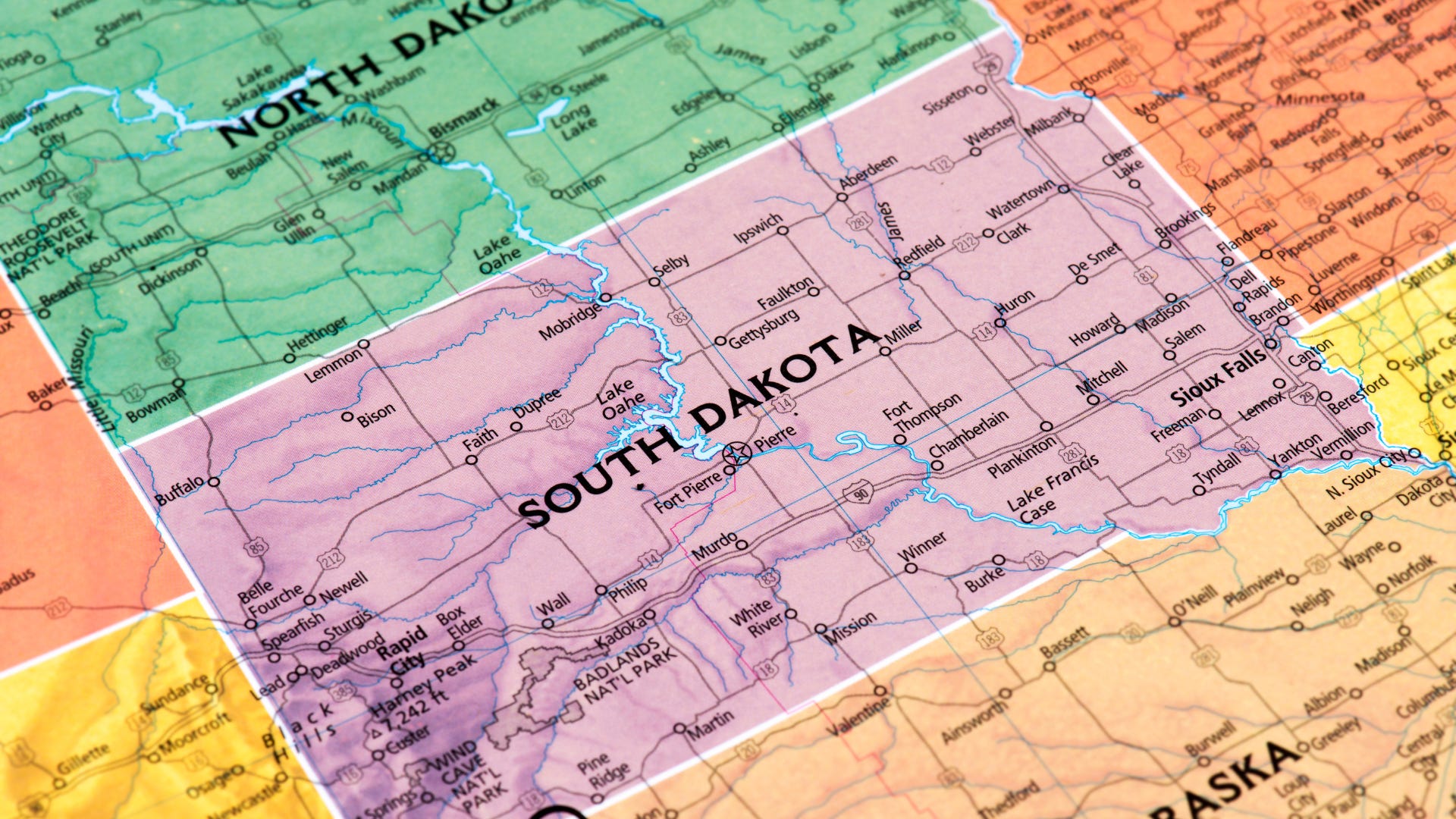
» Judge Blocks SD Anti-Abortion Advertising Law
A federal judge temporarily blocked the enforcement of a South Dakota law against abortion advertising.
Details:
The state prohibits the advertisement of any “article or thing designed, adapted, or intended for producing an abortion.”
Mayday Health, which runs an informational website about where people can access abortion pills, sued over the law.
U.S. District Judge Camela Theeler said the law is a content-based restriction and will have to meet a high bar to be constitutional.
» LA City Council Ban Sparks Speech Concerns
Civil liberties groups submitted a joint letter to the Los Angeles City Council over its July 2025 ban on using the N-word and C-word during their meetings.
Details:
The council said the words were “fighting words” and unprotected speech.
The groups intend to file a lawsuit if the ban is not repealed within 30 days.
The letter also argues against a policy barring individuals removed from meetings from attending future ones for a limited time period.
» NC National Guard Settles Free Speech Case
The North Carolina National Guard settled a case brought by veteran Timothy Stanhope, who alleged it had violated his First Amendment rights.
Details:
Stanhope made several posts on the Guard’s Facebook page criticizing leadership.
The Guard revoked his access to the page, removed his posts, and pressured him to retire.
The Guard settled the case and restored Stanhope’s access and posts on Facebook.
The Digital Age 🤖

» India Orders Restrictions on GitHub
🇮🇳 India’s Ministry of Home Affairs directed GitHub to restrict content on the grounds that its open-source software could facilitate unlawful activity.
Details:
GitHub operates Bitchat repositories that allow users to communicate amid internet shutdowns and avoid centralized networks’ restrictions.
The notice resembled the format of recent government takedown notices, but did not identify specific posts or messages with unlawful material.
Instead, it orders GitHub to restrict access to three Bitchat repositories within three hours because its software makes it possible to “circumvent lawful restrictions.”
The order comes as authorities crack down on student-led protests over alleged examination paper leaks, as mentioned in last week’s Free Flow.
The Brussels Effect: Europe and Beyond 🇪🇺
» CJEU Ruling Threatens Online Platforms’ Liability Exemptions
A recent judgment by the European Court of Justice threatens to remove liability exemptions for user-generated content for platforms with certain algorithms.
Details:
The Court evaluated restrictions on Coyote System, a navigation service that notifies drivers about roadside checks.
It formulated a general test for when an intermediary is no longer considered a “neutral” host and exempt from liability over user-generated content.
It held that when an algorithm determines “under what conditions, how and in which order of priority” information is disseminated, the intermediary loses its liability exemption.
The Electronic Frontier Foundation argues the Court’s reasoning could apply to social media platforms’ recommendation algorithms, exposing them to liability and incentivizing them to remove too much content.
» EU Finds TikTok Violated Digital Services Act
The European Commission found TikTok did not adequately protect children’s privacy rights on its platform by allowing adults to view minors’ accounts.
Details:
Commission spokesperson Thomas Regnier said allowing children aged 13-15 to “easily” change their accounts from private to public is unacceptable.
Regnier argued the action exposed children to cyberbullying, grooming, and predators.
TikTok could face fines of up to 6% of its total annual revenue.
» EU AI-Label Mandate to Take Effect
The EU will begin enforcing artificial intelligence transparency rules on August 2, requiring companies to label AI-generated content.
Details: Companies must ensure their AI systems inform users when they are using AI, such as a chatbot, or when an image or text was created using AI.
» Italian Journalist Held Liable for Users’ Comments
🇮🇹 Italy’s Court of Cassation held journalist Fabio Butera liable for third-party users’ comments on his Facebook page.
Context:
In a 2018 Facebook post, Butera criticized a news report by journalist Valentino Gonzato.
Gonzato filed a civil defamation lawsuit against Butera.
Lower courts found Butera’s post was not defamatory, but users’ comments on the post were, and ordered Butera to pay damages for failing to remove them.
Italy’s Court of Cassation, its highest appellate court, upheld the lower court’s reasoning.
Free Speech Recession 🌍
» Russia Labels Libertarian Party ‘Foreign Agent’
🇷🇺 The Russian Ministry of Justice added the Libertarian Party of Russia (LPR) and 24 of its members to its list of foreign agents, barring it from participating in elections.
Context:
Russia’s 2012 foreign agents law allows NGOs to be labeled foreign agents if they receive foreign funding and engage in political activity.
In 2022, it was broadened to include media organizations and individuals “under foreign influence.”
The registry lists LPR as having disseminated material of other “foreign agents” and “unreliable information” about Russian policies and the electoral system.
Designated foreign agents are subject to labeling and reporting rules and can face administrative or criminal liability, including fines, searches, and imprisonment.
» Australian Protesters Challenge Ban on Pro-Palestine Slogans
🇦🇺 A group of 7 pro-Palestinian activists filed a lawsuit against a Queensland law banning the slogans “from the river to the sea” and “globalise the intifada.”
Details: The suit follows the arrest of more than 20 people protesting the ban when it was passed in March, as mentioned in a previous Free Flow.
» Egypt Detains Dozens Over Online Activism
🇪🇬 Since late May, Egyptian authorities have arrested at least 50 people part of a Gen Z online group criticizing the government and calling for change.
Details:
The group, known as “Gen Z002,” was formed in October 2025 on Discord and hosts online discussions and live voice chats on political developments.
Those arrested are under investigation for terrorism-related and false news charges.
Some allege being forcibly disappeared for periods ranging from 6 to 40 days and being tortured.
» U.S. Embassy Concerned Over Georgia’s Hate Speech Department
🇬🇪 The U.S. Embassy in Georgia said it is concerned about the state’s new Hate Speech Department.
Context:
» Russian Editors Fined For Reporting on Former Official
🧑⚖️ A magistrate in Moscow’s Tagansky district fined two Russian editors for reporting on remarks made by Andrey Tsyganov, a former member of Roskomnadzor, the country’s communications regulator.
Details:
Tsyganov called for the promotion of domestic heroes and said children were being raised on Western characters, including anime, toy cars, and Spider-Men.
The Daily Storm, a Telegram channel, reported on his remarks on February 24.
On March 2, the first deputy prosecutor general demanded that the post be restricted as material “aimed at destabilizing socio-political situations.”
RusNews reported on the remarks in March, adding that Tsyganov proposed substituting Western characters with war veterans.
A magistrate fined the heads of the two outlets 30,000 rubles ($385), arguing the editors failed to send an official inquiry to Roskomnadzor to verify the information.
Ashley Haek is a communications coordinator and research assistant at The Future of Free Speech.
Audrey Campbell is a communications intern at The Future of Free Speech and an international relations major at American University.
Isabella Dail is a communications intern at The Future of Free Speech and a recent graduate from Princeton University with a bachelor’s in philosophy.
 | A guest post by
|
 | A guest post by
|