


Join Us! The 2026 Global Free Speech Summit returns on October 2–3 in Nashville, TN. Hosted by The Future of Free Speech and Vanderbilt University, this event brings together global leaders, thinkers, and change-makers to confront the most urgent threats to freedom of expression and explore bold, resilient solutions. Guests will have the opportunity to attend networking receptions where they can exchange ideas with speakers and other guests.
🎟️ Spots are limited. Get your tickets here.
This Week At A Glance 🔎
🇺🇲 Judge Rules Speech-Based Deportation Policy Unconstitutional
🇮🇷 Iran Revises Online Regulation Bill
🇪🇺 EU Adds New Platforms to DSA
🇹🇭 Thai Court Jails Activist Over Livestream
🇷🇸 Serbia Targets Opposition with Spyware
First of All 🇺🇸


» Judge Rules Speech-Based Deportation Policy Unconstitutional
🧑⚖️ A federal judge ruled the Trump administration’s attempts to arrest and deport students who criticized Israel were unconstitutional.
Details:
The case was brought by the Foundation for Individual Rights and Expression (FIRE) on behalf of The Stanford Daily, a student newspaper at Stanford University.
The paper claimed that several members resigned or withdrew stories about Israel or Gaza, fearing it could lead to their deportation.
Judge Noel Wise declared that the Trump administration was using a vague provision to revoke visas or deport students over protected speech.
» House of Representatives Passes Bill Limiting University Boycotts of Israel
📃 The House of Representatives passed a bill that penalizes universities for participating in boycotts of Israel. The bill heads to the Senate for consideration.
The Bill:
Colleges and universities participating in federal student aid programs are prohibited from participating in boycotts of Israel.
Institutions receiving federal funding for international study and foreign language programs must certify that they do not bar students from programs in Israel.
They must also not restrict students from Israel from participating in campus programs.
» Trump Asks FCC to Punish TV Host
📺 President Trump said he will report NBC “Meet the Press” host Kristen Welker to the FCC for “rebuke or punishment” over her read of his endorsement record.
Details:
Trump charged Welker with “purposeful inaccuracy” after she said his candidate endorsements had “mixed results.”
“The Press is a Disgrace to our Nation, and I hope that Chairman Brendan Carr, and the fine people of his Commission, will take this Threat to our Country very seriously,” Trump concluded.
Trump also walked out on an interview with Welker in June, after she pressed him on claims of “crooked” elections.
Our Take: We’ve submitted public comments on three FCC actions over the past few months targeting viewpoints it dislikes. At the Washington Examiner, Ashkhen Kazaryan and ACLU’s Jenna Leventoff argued, “The FCC is not the speech police, and the First Amendment dictates that it must stay out of our nation’s newsrooms, no matter how much it agrees or disagrees with coverage.”
» Treasury Bars Reporters from G20
🚫 The Treasury Department blocked reporters from major outlets from the G20 finance meeting in Asheville, North Carolina, without explanation.
Details:
The G20 meeting gathers finance ministers and senior officials from the world’s top economies.
The Treasury blocked several reporters from the New York Times, Wall Street Journal, and Bloomberg.
💬 Treasury Secretary Scott Bessent said the denials had “nothing to do with point of view.”
The Times said the “stakes of this gathering are significant for the global economy” and excluding reporters is a “disservice to the public.”
The Digital Age 🤖
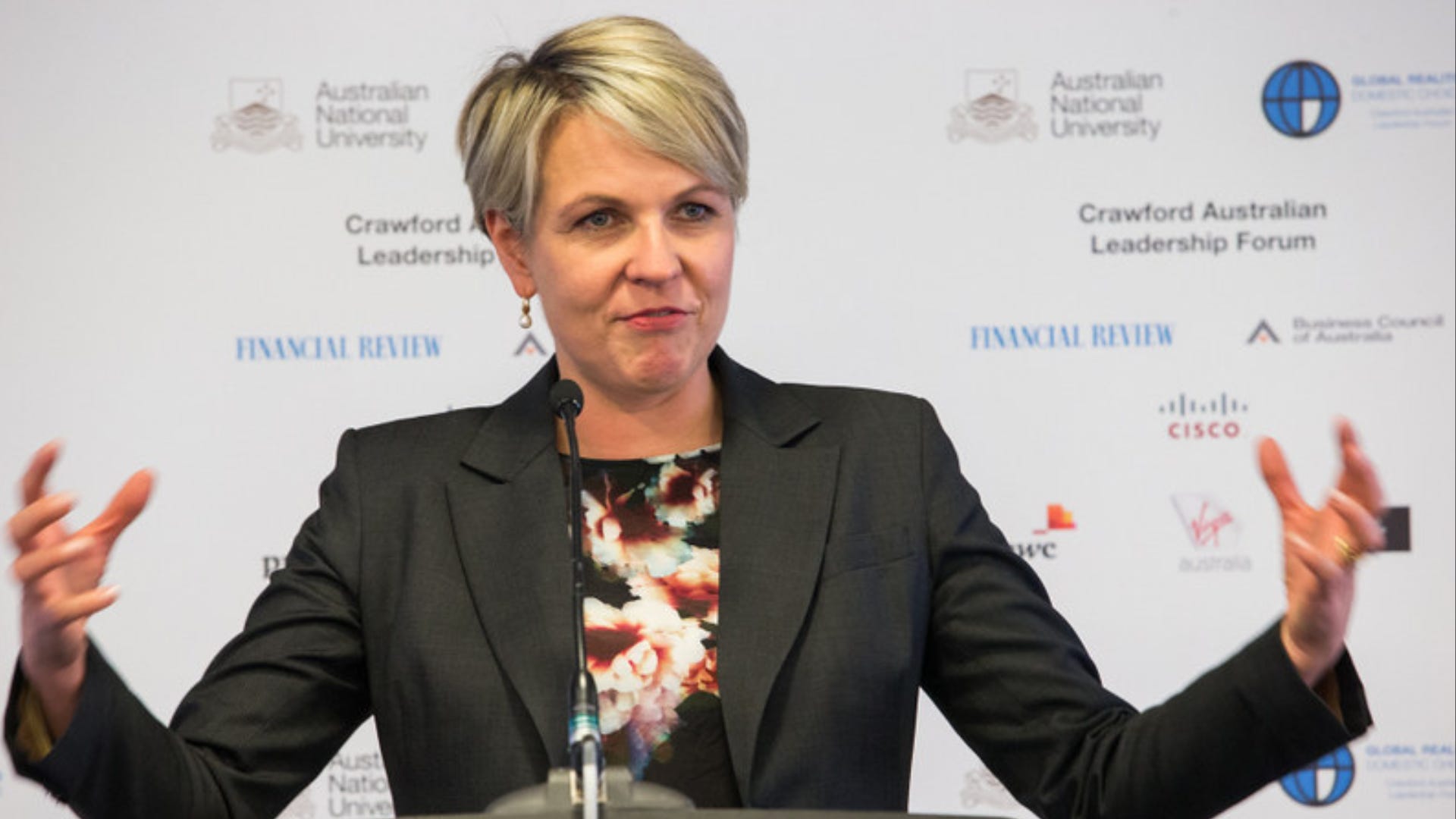
» Australia Eyes Curbs on Feeds and Pornography
🇦🇺 Australia is considering letting users switch off algorithmic feeds and banning strangulation pornography.
The Plan:
Social Services Minister Tanya Plibersek announced that future regulations could allow users to opt out of social media algorithms.
Australia is also considering a UK-style ban on strangulation and suffocation pornography following the death of a teen from suspected asphyxiation during sex.
Plibersek alleges that social media algorithms are feeding boys and men violent content, including sexual strangulation.
The ruling Labor Party will also consult on a “digital duty of care” bill to hold tech companies responsible for users’ online safety.
» California Passes 25+ AI & Social Media Bills
📃 California’s legislature passed 26 bills restricting AI and social media.
The Bills:
Seek to ban social media companies from providing “addictive features,” including autoplaying videos, to under-16s.
Impose Age-verification requirements on AI chatbots and limit the ads children see.
Would hold companies financially liable for not protecting children online.
Limit AI use in the state university system, healthcare, employer surveillance, and for retail pricing.
🕐 Governor Gavin Newsom has till the end of September to decide which to sign into law.
» Iran Revises Online Regulation Bill
🇮🇷 Iran has revised its Cyberspace Protection bill, which seeks to grant the Supreme Cyberspace Council control over the Internet.
The Revisions:
The revised bill, called the Cyberspace Regulation Plan, requires Internet service providers to authenticate users, thus eroding online anonymity.
Foreign online platforms are required to establish a physical presence in the country.
It also concentrates content moderation powers in the Council, where members are handpicked by the country’s supreme leader.
Provisions criminalizing the use of VPNs were removed.
It is unclear when the bill will be voted on.
The Brussels Effect: Europe and Beyond 🇪🇺
» EU Imposes New Obligations on ChatGPT, Reddit, and Roblox
🖥️ The EU designated Reddit and the gaming platform Roblox as “very large online platforms” and ChatGPT as a “very large online search engine,” all subject to additional obligations under the Digital Services Act (DSA).
Context:
The designation applies to platforms and search engines with over 45 million monthly active users in the EU, which the services exceeded.
ChatGPT is the first AI chatbot to be designated a “very large online search engine”.
What’s Next:
🕐 The platforms have four months to comply with DSA obligations
Obligations include addressing risks related to the spread of illegal content, negative effects on minors, users’ well-being, electoral processes, and more.
Companies that violate the law face up to 6% of global annual revenue.
Our Take: “The designation of ChatGPT as a very large online search engine under the DSA expands the range of obligations this product is subject to. OpenAI’s models already fell under the purview of the EU AI Act. ChatGPT itself is now subject to the DSA systemic risk provisions as well.
As we have repeatedly explained, systemic risk provisions are problematic, with vague requirements like mitigating negative effects on civic discourse. There is a real danger that such provisions result in misguided enforcement and self-censorship from companies, limiting the perspectives they provide on contested issues to avoid creating tensions with regulators.” — Jordi Calvet-Bademunt
Free Speech Recession 🌍

» Serbia Targets Opposition with Spyware
🔎 In the most widespread use of spyware in Serbia, the government has been surveilling students and opposition members over the past 9 months.
Details:
The incidents come as President Aleksandar Vučić prepares to hold parliamentary elections in October.
A nationwide student movement began after a train station canopy collapsed in November 2024, killing 16 people.
The movement represents a clear challenge to the ruling party.
Pegasus, which mirrors phones’ content, including encrypted messages, and NoviSpy, have been found on infected phones.
» Thai Court Jails Activist Over Livestream
🇹🇭 A Thai court sentenced activist Tantawan “Tawan” Tuatulanon to two years in prison over a 2022 Facebook livestream where she questioned police conduct.
Details:
Tuatulanon questioned police dispersing farmers protesting on King Maha Vajiralongkorn’s motorcade route.
The court found she violated the royal insult law; she intends to appeal.
Proceedings are still pending for computer crimes and sedition charges for the same incident.
Since 2020, Thailand has charged nearly 300 people under its lese-majeste law, which carries up to 15 years in prison for insulting, defaming, or threatening the royal family.
» Cuba Tells Journalist to Leave
🚔 Cuban State Security warned journalist Austin Llerandi to leave the country within two months or face jail for reporting without state authorization.
The Pressure:
Llerandi runs the newsletter Amanecer Habanero.
He has been detained numerous times, including a July 14 interrogation over “crimes against State Security.”
On August 21, they told him he was under investigation for violating Decree 370, which bans media the state hasn’t cleared.
» Uganda Jails Reporter Over Fake News
🇺🇬 Uganda has held Daily Express journalist Remmy Asiteza since August 13 on charges of “publishing fake news” and “broadcasting without a license.”
The Case:
Prosecutors allege that Asiteza’s reporting on alleged corruption in the presidential cabinet and in local government is “fake news.”
Asiteza faces up to two years in jail and fines up to 960,000 shillings (about $257 USD).
Ashley Haek is a Communications Manager at The Future of Free Speech.
Ajdin Muratovic is the Director of Communications at The Future of Free Speech and the Managing Editor of The Bedrock Principle.