



This Week at a Glance 🔎
— 🇺🇸 FBI Director Files Defamation Suit Against The Atlantic for $250 Million
— 🇭🇺 EU Top Court Strikes Down Hungary’s LGBTQ Law
— 🇪🇺 EU Age-Verification App Sparks Criticism Over Security Risks
— 🇬🇧 20+ Arrested in Australia Protesting Ban on ‘Antisemitic’ Phrases
— 🇹🇷 Turkey Arrests Journalist Under ‘Disinformation’ Law
First of All 🇺🇸
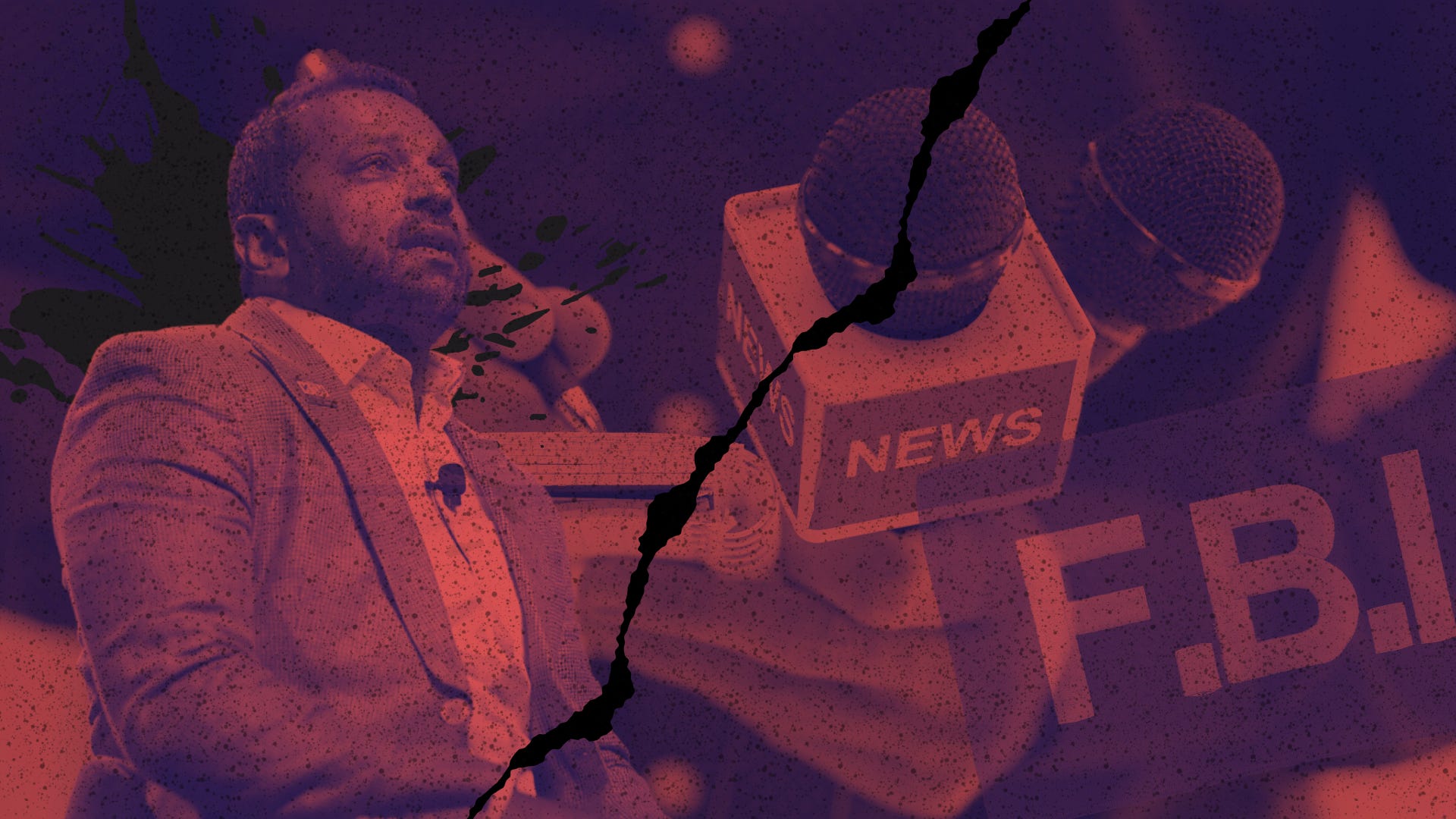
» FBI Director Files Defamation Suit Against The Atlantic for $250 Million
FBI Director Kash Patel has filed a $250 million defamation lawsuit against The Atlantic and reporter Sarah Fitzpatrick over an article alleging that he has “alarmed colleagues with episodes of excessive drinking and unexplained absences.”
Context:
The complaint, filed in U.S. District Court for the District of Columbia, alleges that Fitzpatrick’s article falsely portrays Patel as “a habitual drunk, unable to perform the duties of his office” and “a threat to public safety.”
Patel threatened to sue The Atlantic before publication, telling the magazine, “I’ll see you in court — bring your checkbook.”
The lawsuit claims the publisher “published these statements with actual malice,” and Patel’s lawyers say that it ignored pre-publication denials and “failed to take even the most basic investigative steps” that “would have easily refuted their claims.”
A spokesperson for The Atlantic called the suit “meritless” and said it will “vigorously defend” its reporting and journalists. Fitzpatrick, in an MS NOW interview, said she stands by “every word of this reporting.”
The lawsuit comes a day before a federal judge dismissed a separate lawsuit of Patel’s that alleged former FBI official Frank Figliuzzi defamed him by saying he had been more visible at nightclubs over the past year than the bureau’s headquarters.
» Federal Judge Rules for ICE App Creators in First Amendment Case
A federal judge in Illinois has granted a preliminary injunction to the creators of two ICE-monitoring projects, finding they are likely to succeed on First Amendment claims that the Trump administration illegally coerced Apple and Facebook into removing them.
Details:
Judge Jorge L. Alonso of the U.S. District Court for the Northern District of Illinois ruled in favor of Kassandra Rosado, creator of the ICE Sightings – Chicagoland Facebook group, and Kreisau Group, developer of the Eyes Up phone application.
Both projects used publicly available information to track ICE activity. Similar apps, including ICEBlock and Red Dot, were also removed from Apple’s App Store and Google Play following pressure from officials.
The lawsuit cites social media posts by former U.S. Attorney General Pam Bondi and former Secretary of Homeland Security Kristi Noem demanding — and taking credit for — the removals. Judge Alonso called those posts “thinly veiled threats.”
» U.S. to Bar World Cup Attendees Who ‘Fostered Antisemitism’ Abroad
Rabbi Yehuda Kaploun, the U.S. special envoy for monitoring and combating antisemitism, announced that the United States will bar foreign nationals, including European politicians, accused of “fostering antisemitism” in their home countries, from attending the 2026 FIFA World Cup.
Details: Kaploun framed the restriction as a use of visa-issuance authority, saying, “Coming to this country is a privilege. It’s not a right.”
The Digital Age 🤖
» Federal Judge Blocks Reworked Arkansas Minors Social Media Law
A federal judge has temporarily blocked a new Arkansas law restricting minors’ social media access, finding that the plaintiff, tech industry trade group NetChoice, was likely to succeed on multiple First Amendment challenges.
Details:
U.S. District Judge Timothy Brooks said the challenge against the vagueness of a provision of the law prohibiting platforms from engaging in “addictive practices” was likely to succeed.
He also said that other parts of the law, including a requirement that platforms maintain certain default settings for minors, such as ceasing notifications during specific time windows and requiring stronger privacy and safety settings, are likely not consistent with the First Amendment.
“Imposing small burdens on vast quantities of speech for no appreciable benefit is not consistent with the First Amendment,” Brooks wrote, “Arkansas cannot sentence speech on the internet to death by a thousand cuts.”
The order follows Brooks’ decision in December to grant a temporary block against Act 901 of 2025, another social media law in Arkansas that would have allowed parents to sue platforms if exposure to content on their sites resulted in their child developing eating disorders, committing or attempting suicide, or becoming addicted to the app.
» DOJ Refuses to Assist French Prosecutors Investigating Grok
The U.S. Department of Justice has informed French authorities that it will not contribute to an ongoing French investigation into Elon Musk’s social media platform X, and accused them of trying to use the country’s legal system to regulate the public square of ideas “in a manner contrary to the First Amendment.”
Context:
The two-page refusal letter follows a raid of X’s offices in France as part of an investigation into its algorithms, as mentioned in a previous Free Flow.
X is also currently under investigation in the EU over whether the company “properly assessed and mitigated risks” in its AI model, Grok.
In February, the platform appealed a $120 million first-of-its-kind fine issued by the EU for violating the Digital Services Act.
The Brussels Effect: Europe and Beyond 🇪🇺
» EU Top Court Strikes Down Hungary’s Anti-LGBTQ Law
The Court of Justice of the European Union has ruled that Hungary violated EU law when it banned children from accessing LGBTQ+ content.
Details:
The case stems from a 2021 law restricting or banning the “promotion” of homosexuality and gender transition in media accessible to children.
Last year, the Hungarian government banned Pride events and authorized police to use biometric cameras to identify organizers and attendees, despite pressure from EU officials against the law.
The Court said the legislation “consistute[s] a particularly serious interference with several fundamental rights,” including freedom of expression.
As Peter Magyar prepares to replace Prime Minister Viktor Orban next month, he can seek financial penalties if Hungary fails to comply with the judgment.
Our Take: European courts have a long record of being pretty mediocre when it comes to protecting free speech. But in this case, the CJEU decision is laudable and should be welcomed by everyone concerned about creeping censorship in Europe. — Jacob Mchangama.
» EU Rolls Out Age Verification App, Cybersecurity Experts Say It Takes 2 Min. to Hack
European Commission President Ursula von der Leyen has announced that the EU’s age-verification app for online platforms is ready and will soon be available across member states, escalating Europe’s push to restrict minors’ access to social media.
However, cyber and privacy experts reported several issues with the app’s design after reviewing the source code.
The App:
The app is designed to provide a centralized age-verification layer that platforms can use to comply with national and EU-level age-based access rules, reducing the need for platforms to collect additional identity data themselves.
Users will need to upload a passport or ID card to confirm their age anonymously when using the app.
The rollout comes as at least a dozen European countries, including non-EU nations such as Britain and Norway, have enacted or are considering legislation setting minimal age limits for social media use.
Security Issues:
Security consultant Paul Moore found the app would store sensitive data on a user’s phone and leave it unprotected. He claims to have hacked the app in under 2 minutes.
Baptiste Roert, a prominent French white-hat hacker, said it was possible to bypass the app’s biometric authentication, allowing people to access the app without entering a PIN or using Touch ID.
“It’s a good thing they made the app open source for experts to try and test it,” said Oliver Blazy, a cryptographic researcher who is part of a French task force on digital identity. “The problem is the released source code does not meet cybersecurity standards we would expect for such an important app.”
» England Universities Could Face £500,000 Fines Under New Free Speech Complaint System
The Office for Students (OfS) has planned a new system that could leave England’s universities that fail to protect free speech subject to £500,000 or 2% of institutional income, and in some cases, loss of public funding.
Details:
From next April, the system will allow the OfS to fine universities for breaches of their duties under the Freedom of Speech Act, which came into force in August 2025, and requires universities and colleges in England to promote academic freedom.
University staff, external speakers, and non-student members can report free-speech concerns to the Department for Education (DfE) under the new system, which the DfE said would “empower more people to raise concerns confidently.”
The DfE will investigate these complaints and can recommend that universities review decisions, pay compensation, or improve their processes.
Students raise their concerns about free speech to the Office of the Independent Adjudicator.
Free Speech Recession 🌍
» Over 20 Arrested in Australia While Protesting Ban on ‘From the River to the Sea’
Queensland police arrested more than 20 people over a weekend of protests in Brisbane against new state laws banning the phrases “from the river to the sea” and “globalize the intifada,” which carry a maximum sentence of two years in jail.
Details:
Twenty people were arrested on Saturday for reciting or displaying the prohibited phrase, though police advised protesters that “similar words to the banned phrases” were “not captured by the legislation.”
Justice for Palestine spokesperson Magan-djin told reporters that according to that advice, “if we say… ‘between the river and the sea,’ we should be fine.”
“This is how absurd these laws are,” the spokesperson added. “But they are also dangerous,” and the organization would be coordinating a high court challenge to argue that the law is invalid under the Australian Constitution.
Premier David Crisafulli denied the laws amounted to a crackdown on free speech, claiming the proscribed phrases constitute a call for genocide and drawing a link to the Bondi terror attack.
Other Instances:
At least two more were arrested the day after during a march on Parliament House.
Moments after the Justice for Palestine spokesperson’s comments, a protester led a chant of “From the river to the sea” and was arrested within minutes. Those who responded with “Palestine will be free” were not.
Stephen Heydt, a Jewish man, was charged for wearing a t-shirt that said “Jews for a free Palestine from the river to the sea” and for chanting the banned phrase.
Premier David Crisafulli denied the laws amounted to a crackdown on free speech, claiming the proscribed phrases constitute a call for genocide and drawing a link to the Bondi terror attack.
» Turkey Sentences Veteran Journalist Under ‘Disinformation’ Law
An Istanbul court has sentenced a veteran Turkish journalist to two years and six months in prison on charges of “spreading misleading information” under the country’s disinformation law.
Details:
The case against Zafer Arapkirli, a columnist for the opposition daily BirGün, stemmed from posts he made on X about internal clashes in Syria following the 2024 overthrow of Bashar al-Assad.
Turkey backed the rebel offensive that toppled Assad, and has since forged ties with Ahmed al-Sharaa, Syria’s new leadership.
The court acquitted Arapkirli of a separate charge of inciting hatred and enmity. In a parallel case, a separate panel sentenced three other journalists to prison terms over a discussion of alleged Turkey–Israel trade on an opposition television program.
Context:
Turkey’s 2022 “disinformation” law makes the dissemination of “misleading” information punishable by up to three years in prison, extending earlier media regulations to online publications and social media.
“When the law was introduced in 2022, authorities claimed it would not be used against journalists,” Arapkili said. “In reality, however, it is now being used precisely against them.”
Arapkili added that jail sentences of three years or less are rarely enforced in Turkey, but are a tactic to “create obstacles and restrict our work,” and he plans to appeal.
» Algeria Re-Arrests Freelance Journalist Hassan Bouras
Algerian provincial security forces have arrested journalist Hassan Bouras and conducted a raid on his home, confiscating his laptop.
Context:
Bouras is known for reporting on corruption and human rights violations, and is a former member of the dissolved Algerian League for the Defense of Human Rights.
He has faced legal harassment since 2003 and been arrested 3 times, before his most recent sentence to two years in prison in November 2022.
On April 13, an investigating judge in northwestern Algeria ordered Bouras’ detention pending an investigation into four accusations that have not yet been disclosed.
Ashley Haek is a communications coordinator and research assistant at The Future of Free Speech.
Abigail Pope is a communications intern at The Future of Free Speech and a student at Vanderbilt University studying economics.