


Join Us! The 2026 Global Free Speech Summit returns on October 2–3 in Nashville, TN. Hosted by The Future of Free Speech and Vanderbilt University, this event brings together global leaders, thinkers, and change-makers to confront the most urgent threats to freedom of expression and explore bold, resilient solutions. Guests will have the opportunity to attend networking receptions to exchange ideas with speakers and fellow guests.
🎟️ Spots are limited. Get your tickets here.
This Week at a Glance 🔎
📺 ABC Sues FCC Over Early License Review
📲 States Take Meta to Trial
🇫🇷 France Blocks Under-15s Social Media Ban
🇷🇺 Russia Jails Opposition Leader to 11 Years
🇮🇷 Iran Bill Criminalizes Foreign Media Ties
First of All 🇺🇲

» ABC Sues FCC Over License Review
📺 ABC sued the Federal Communications Commission after it ordered eight stations to apply for early renewal of their broadcast licenses.
Context:
The order followed a Jimmy Kimmel monologue joking about First Lady Melania Trump, as mentioned in a previous Free Flow.
ABC claims the renewals are retaliation over its content.
It’s asking the court to stop the FCC from further action against it.
The suit indicates ABC does not expect the FCC to renew the licenses.
Our Take: At the Washington Examiner, Ashkhen Kazaryan and the ACLU’s Jenna Leventoff argued the FCC’s action “sends a warning to other media that they should walk the administration’s preferred line or else.” Read our joint comment urging the FCC to drop its order here.
» Judge Faults MN Prison Book Policy
A federal court found that Minnesota’s Department of Corrections (DOC) book policy is “not necessarily content neutral.”
Details:
⚖️ The Human Rights Defense Center, an NGO that publishes legal resources for inmates, sued on First Amendment grounds.
DOC let only a few approved vendors ship books to prisons, cutting off many publications.
It published no guidelines for accepting or rejecting vendor applications – and approved some that never applied
The DOC argues that the policy blocks smuggling and cuts assaults and drug incidents
The court ordered the DOC to streamline applications and spell out its criteria for approving publishers and nonprofits as vendors.
The Digital Age 🤖
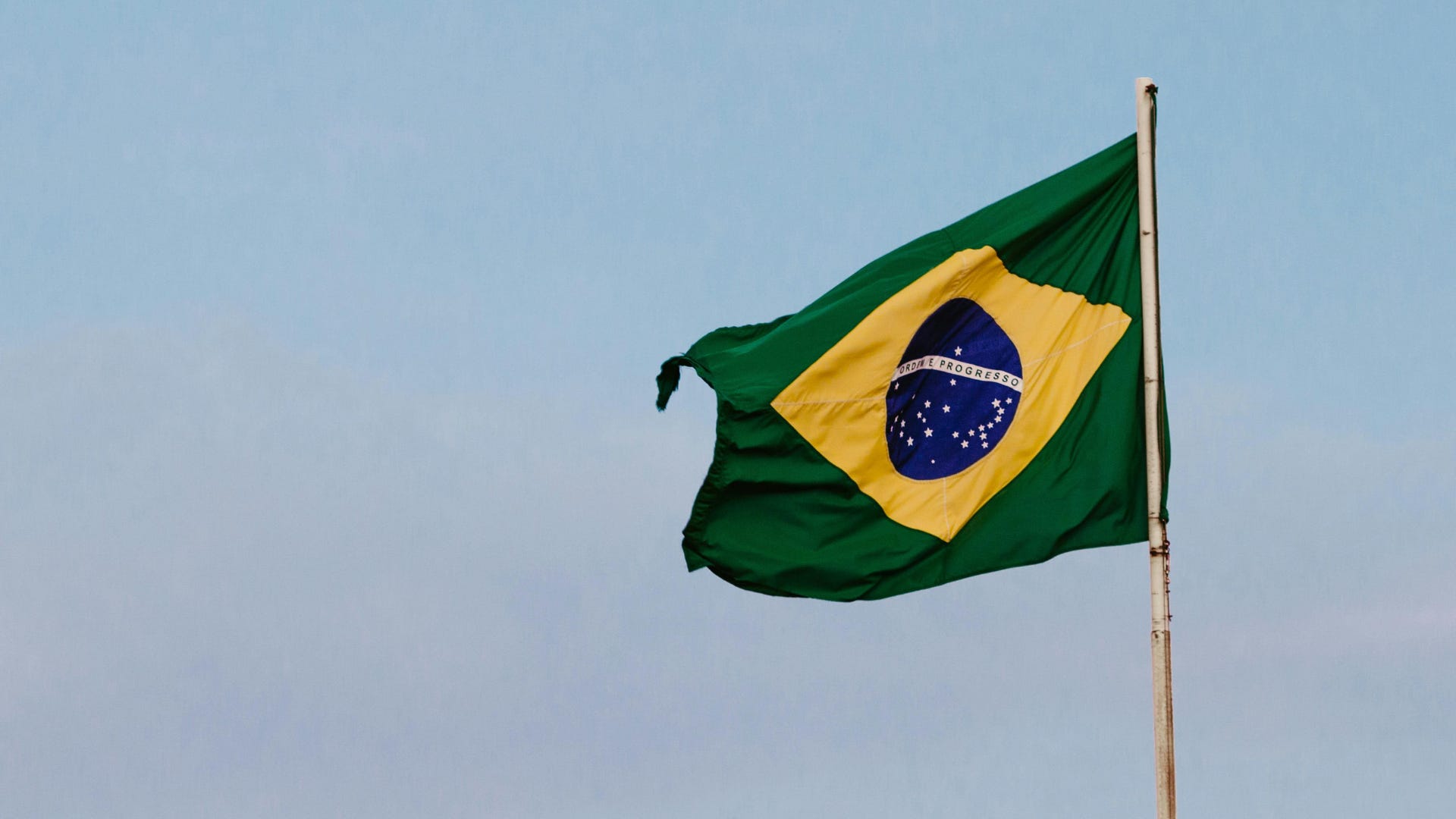
» Brazil Orders Discord to Suspend Livestreaming
Brazil’s National Data Protection Authority (ANPD) ordered Discord to suspend its livestreaming features in the country.
Context:
The order comes after users allegedly coerced a 13-year-old girl into suicide during a livestream.
Police have detained an adult and five minors.
ANPD said the platform’s design prevents real-time monitoring of livestreams, and that Discord failed to take reasonable steps to protect children.
Discord faces daily fines of up to 50 million reals (~$9 million) if it does not comply.
The livestream ban holds until Brazil approves a Discord safety plan. Other platform features remain accessible.
» Meta Child Safety Trial Begins
A child-safety trial against Meta, brought by four states, kicked off in California this week.
Details:
California, Colorado, Kentucky, and New Jersey argue Meta designed its platforms to be addictive to minors.
They say Meta knew the risks and misled the public.
Meta argues it has created strong protections for teens.
State attorneys put early penalty estimates near ~$1.4 trillion.
Our Take: In POLITICO, Ashkhen Kazaryan warned that letting courts design online communication would “balkanize” the internet, forcing companies to navigate a legal minefield or disable features globally.
The Brussels Effect: Europe and Beyond 🇪🇺
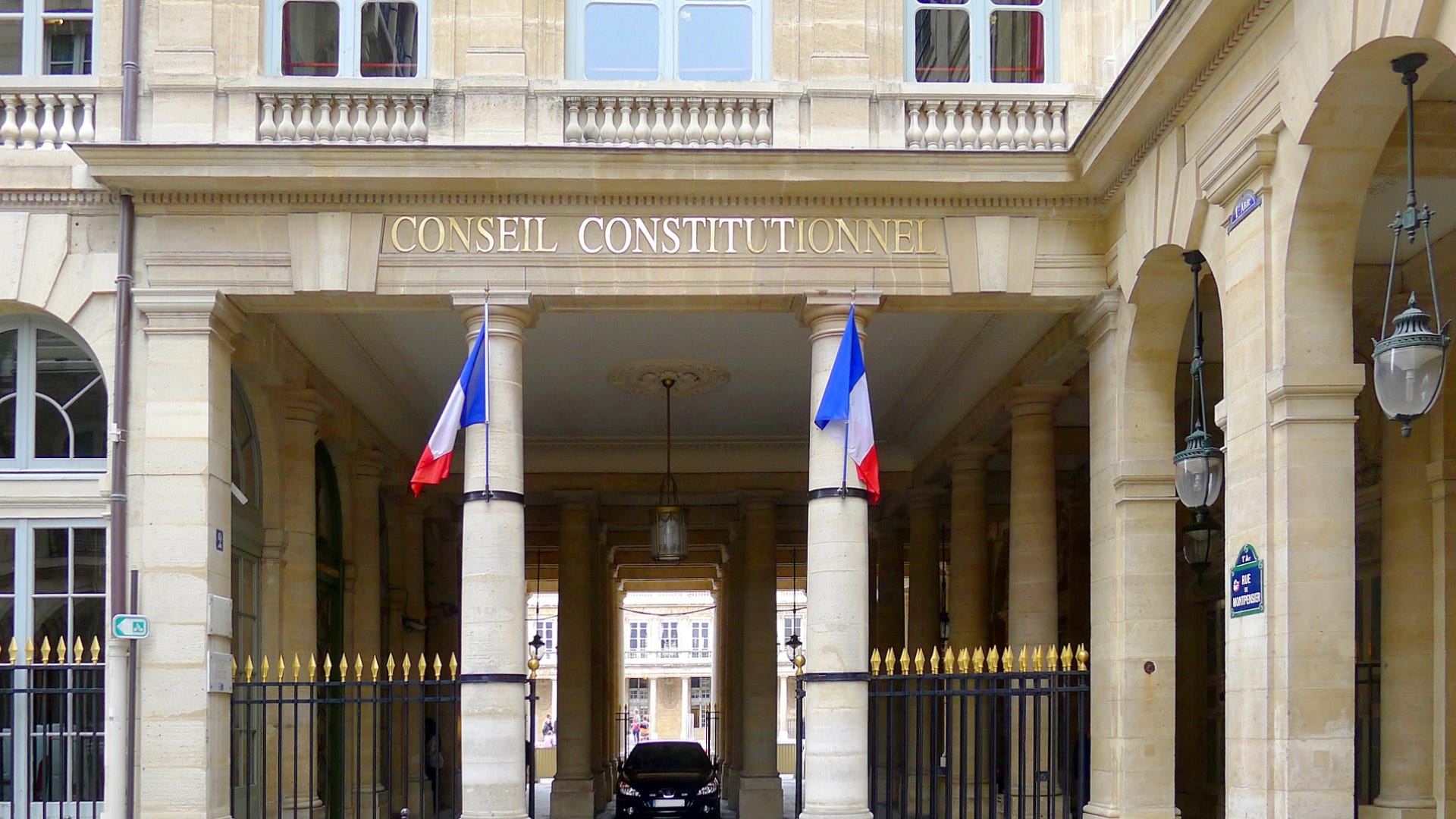

» France Blocks Under-15s Social Media Ban
📵France’s top court, the Constitutional Council, blocked a law barring under-15s from social media.
Details:
The court found the ban failed to specify the “conditions and limits” for proving age.
It also found the provisions infringed on free expression and privacy.
President Macron remains determined that the reform takes effect and has asked the Prime Minister to rework the legislation.
» UK Green Party Emergency Order Targets Online Speech
The Green Party submitted an emergency motion urging state regulators to “map and address” racism and ableism in the media and to monitor “harrassment” arising from coverage.
The Proposal:
Every major national newspaper would have to join a state-backed press regulator with statutory powers.
The country’s media watchdog, Ofcom, would be authorized to order the removal of “hateful, discriminatory and conspiratorial” material on large platforms.
Social media companies would have to “promote and protect” a prescribed “diversity of voices.”
The motion is a direct response to the death of Jason Arday, a former sociology professor at the University of Cambridge.
» University Suspends Academic Who Alleged Arday Plagiarism
Belgium’s Ghent University suspended Nathan Cofnas, the U.S. academic who raised plagiarism concerns about the late Cambridge University professor Jason Arday.
Details:
Cofnas said on X that he had been suspended and expected to be fired. In an earlier post, he said he was “under investigation by my university for discriminating against Arday.”
Ghent confirmed it suspended a staff member as a precaution during an investigation.
The University stated, “We attach great importance to academic freedom and to open academic debate, even when views are controversial. However, that freedom is not unlimited.”
Background:
Cofnas wrote on his Substack on July 21 that a source at Cambridge contacted him about the plagiarism claims.
The plagiarism allegations triggered intense scrutiny of Arday’s career and personal life — a toll he described before his death as falling on his family too.
Cofnas has faced controversy at Cambridge himself. Emmanuel College previously cut ties with him after students raised concerns about his blog posts on race and meritocracy. He denies being racist and is in a legal dispute with the college.
Free Speech Recession 🌍
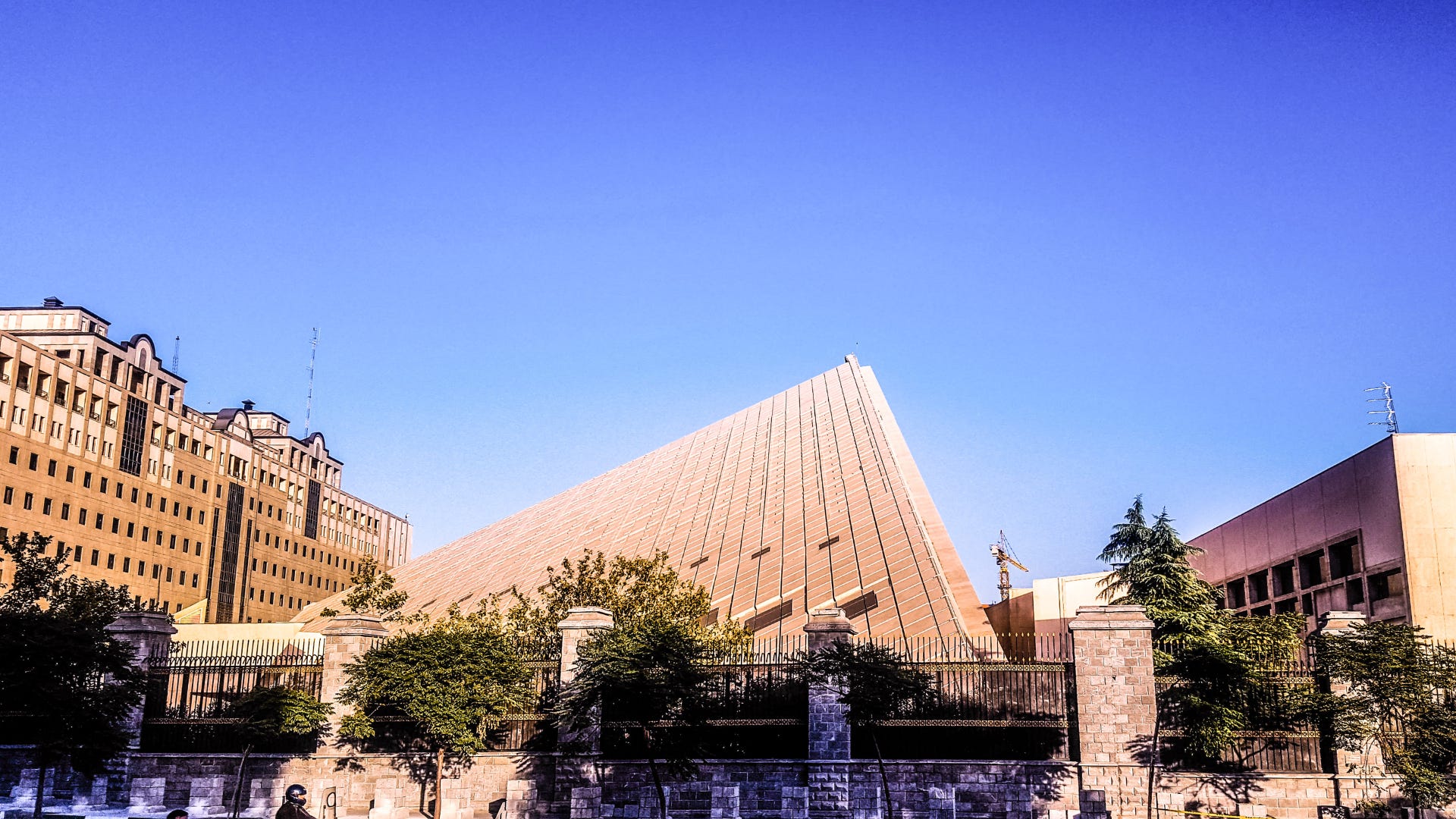

» Iran Bill Criminalizes Foreign Media Ties
Iran’s Parliament has approved a bill that criminalizes interaction with “hostile” foreign media and institutions.
Prohibitions on Media:
Communications with American or Israeli organizations, or any group they fund.
Sending videos, photos, audio, or other data to foreign outlets or media workers abroad.
Producing or directing “anti-Islamic culture” films, documentaries, theater, music, or books.
Violators face six months to two years in prison.
Prohibitions on Research:
Unauthorized academic collaboration with foreign universities or institutions.
Organizers of courses or workshops “incompatible with Iranian culture” can face 5-10 years in prison, while attendees can face two.
The Guardian Council, a body of clerics and legal experts that vets all laws, must approve the bill for it to become law.
» Russian Opposition Leader Sentenced to 11 Years
🇷🇺 A Russian court sentenced Lev Shlosberg, a senior member of opposition party Yabloko, to 11 years and one month in prison over his remarks against the Ukraine war.
Details:
The court convicted Shlosberg of “discrediting” and spreading “false information” about the Russian military.
Yabloko announced in a public statement that Shlosberg plans to appeal.
Context:
The sentence comes after Russia’s Supreme Court annulled the Yabloko party’s registration, as mentioned in last week’s Free Flow.
A Russian court previously convicted Shlosberg of violating foreign agent regulations.
The charges came after he called for an end to the war during a debate and criticized President Vladimir Putin on his public channel on Telegram, a social media platform popular in Russia.
Ashley Haek is a communications coordinator and research assistant at The Future of Free Speech.
Ajdin Muratovic is the communications director at The Future of Free Speech.