


Editors’ Note: Next week, The Free Flow will be on a hiatus as our team finalizes preparations for the 2026 Global Free Speech Summit, taking place October 2-3 at Vanderbilt University in Nashville, TN. At this year’s Summit, renowned global experts will discuss solutions to the most pressing free speech challenges in the digital era.
This Week at a Glance 🔎
🇺🇲 Judge Blocks White House Media Ban
📵 Meta Blocks Ads for Virginia Woolf Play
🇮🇱 Israeli Election Panel Bars Arab Parties
🧑⚖️ Judge Calls Montana Deepfake Law Unconstitutional
🇬🇪 Georgia Jails Critics Over Online Speech
First of All 🇺🇲
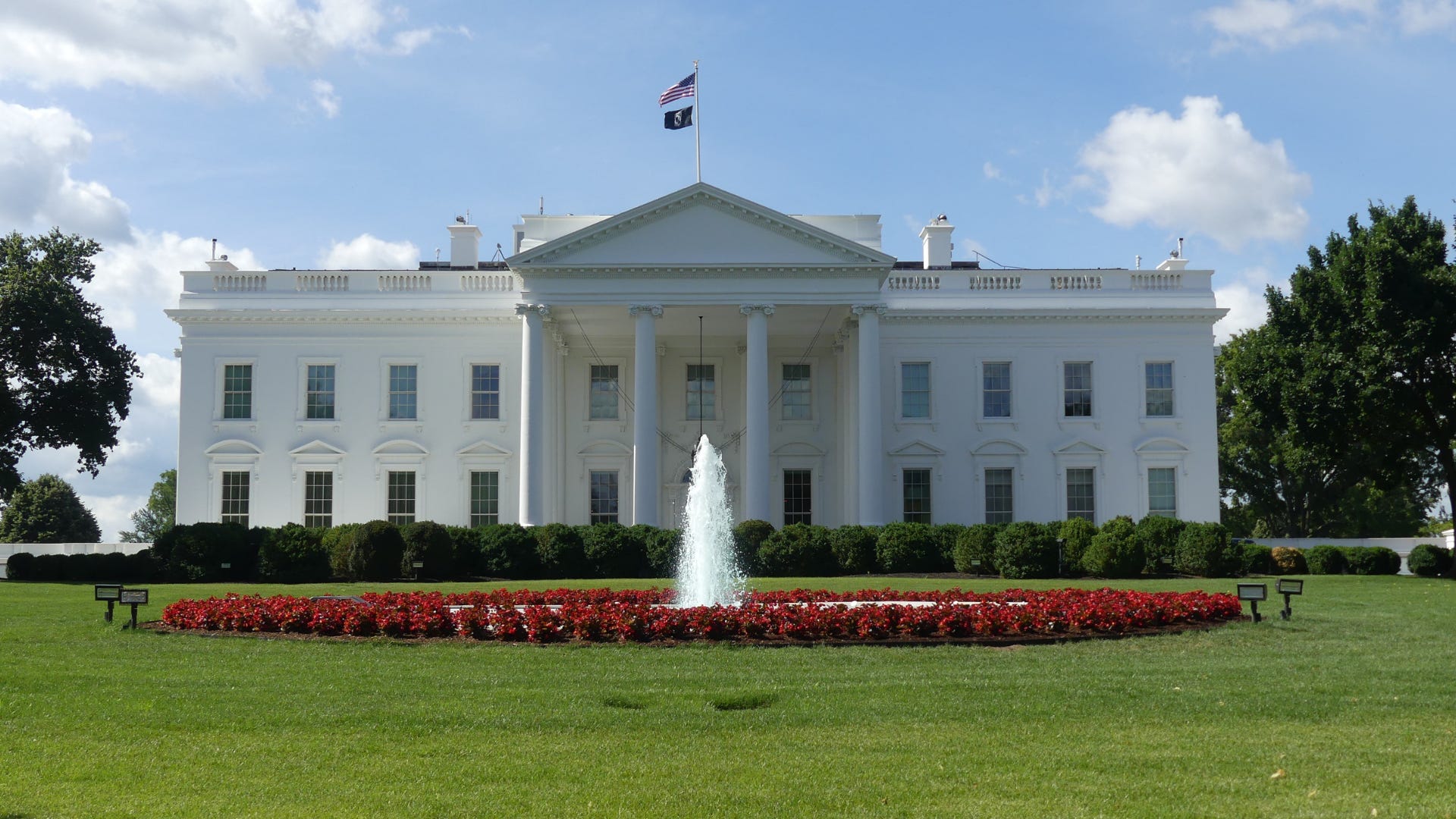
» Judge Blocks White House Media Ban
A federal judge ordered the White House to restore press access for MS NOW, CNN, and Politico, ruling that President Donald Trump’s ban on the outlets likely violates the First Amendment. Hours later, reporters from all three were denied entry.
Context:
Trump announced the ban Sept. 18, accusing the outlets of spreading “fake news.”
The following day, three reporters from each outlet had their credentials confiscated or disabled.
The outlets sued Monday, citing their free speech, free press, and due process rights.
The Ruling:
US District Judge Tim Kelly ordered the administration to return the outlets’ press passes immediately and blocked enforcement of the ban for 14 days.
Kelly said precedent entitles journalists to due process before their passes are revoked and rejected the government’s claim that the ban protected national security.
The Aftermath:
Politico and CNN said their staff were turned away. An MS NOW reporter said it was unclear whether the White House was defying the order or its entry system had failed.
Our Take: Ashkhen Kazaryan argues the policy likely violates the First Amendment. “The President has discretion over access to specific events, but that does not give him authority to punish reporting he doesn’t like by excluding outlets from ordinary press access.”
» Judge Limits UC Deadnaming and Misgendering Policy
A federal judge barred the University of California (UC) from punishing members of the grassroots organization Defending Education (DE) for deadnaming and misgendering.
Context:
Deadnaming is the intentional use of a transgender person’s former name.
DE’s lawsuit alleged the school’s sexual violence and harassment policy, which lists deadnaming as potential harassment, violated students’ free speech.
Deadnaming was also presented as harassment during the school’s mandatory anti-discrimination training and in its website FAQ, according to the group.
UC said it removed the example from its training materials.
The Ruling:
U.S. District Judge Fred W. Slaughter issued a preliminary injunction, finding the policy “compels speech and is viewpoint-based.”
The injunction bars UC from punishing DE members for deadnaming temporarily while the case proceeds.
Slaughter declined DE’s request for a broader injunction, which means UC can continue enforcing the policy on other students.
The Digital Age 🤖
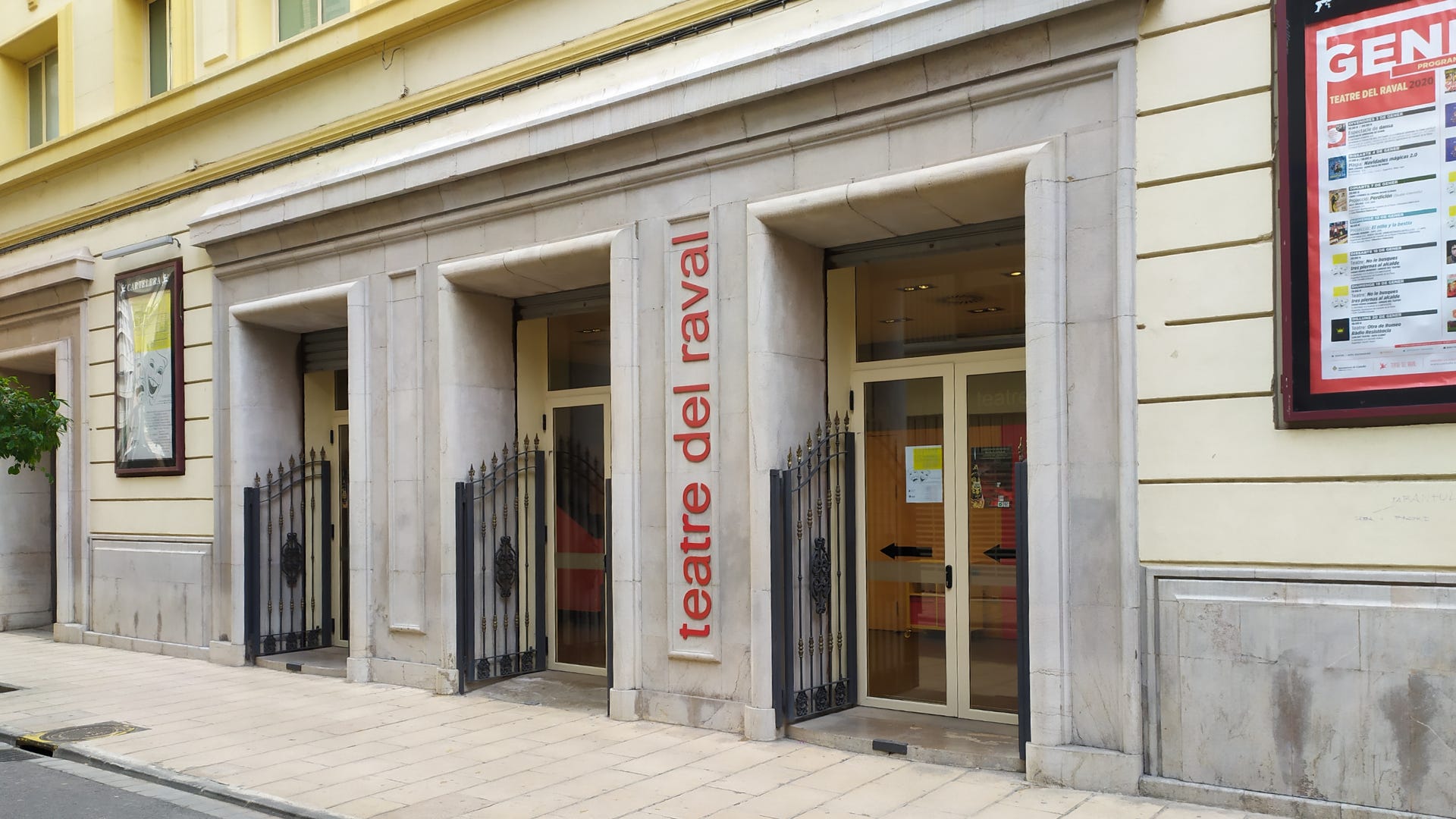

» Meta Blocks Ads for a Virginia Woolf Play
Meta blocked a Barcelona theatre from promoting its adaptation of Virginia Woolf’s A Room of One’s Own because the work includes “social topics.”
Context:
The play adapts a series of Woolf’s 1928 talks on women’s access to education.
In July 2025, Meta announced it would block political, electoral, and social issue ads in the EU in response to the Regulation on the Transparency and Targeting of Political Advertising, as mentioned in a previous Free Flow.
Details:
Meta told Teatre Raval its automated system blocked the content because it usually flags any mention of “civil rights, feminism or social reform” as “social topics” and filters them out.
Meta recommended removing “key words” so the text wouldn’t appear to encourage activism.
Actress Clara Sanchis said it was unclear whether the ad was rejected “because of the name of Virginia Woolf or because of the word feminism, or both.”
A Meta spokesperson later said the ad “was removed in error and quickly restored.”
» Judge Rules Montana Deepfake Law Unconstitutional
U.S. District Judge Susan Watters said a Montana law regulating the use of AI deepfakes in elections violates the First Amendment.
The Case:
A political action committee (PAC) sent mailers containing AI images of candidates, some altered to show Pride flags and buttons.
Rep. Eric Albus, House candidate Jennifer Carlson, and Senate candidate Llew Jones filed complaints against the committee.
Judge Watters ruled in favor of the PAC, saying the plaintiffs are likely to show viewpoint discrimination.
Although plaintiffs asked for an injunction, the state pointed to the Supreme Court’s ruling in Trump v. CASA, which limits federal court judges’ use of broad injunctions to strike down laws.
Judge Watters said the court lacked authority to issue a “universal injunction,” and tailored the ruling to the plaintiffs.
The Brussels Effect: Europe and Beyond 🇪🇺
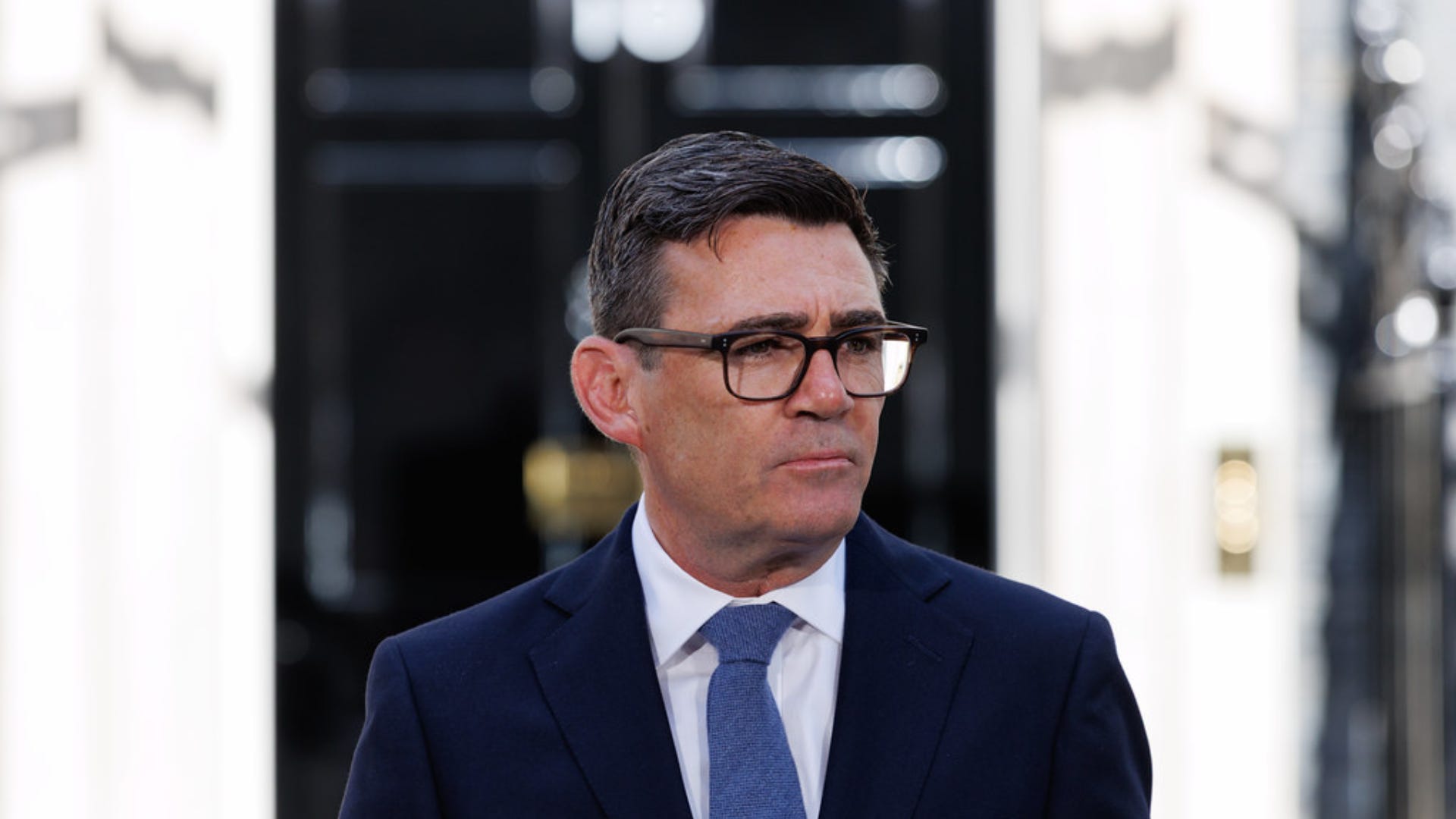
» UK Launches Center to Fight “Information Warfare”
UK Prime Minister Andy Burnham announced a new National Centre for Information Defense to detect, attribute, and disrupt information attacks by foreign powers.
Details:
He told world leaders that Russian agencies have “spread lies and disinformation” through bots, fake websites, and falsified news articles.
He added that AI will multiply cyber threats to companies and institutions.
The UK will use its experience to help other countries, having already assisted Moldova curb alleged Russian electoral interference.
Big Brother Watch warned that the center must be limited to foreign threats and subject to safeguards and oversight, noting existing counter-disinformation units have flagged lawful criticism of the government by journalists and lawmakers.
Free Speech Recession 🌍
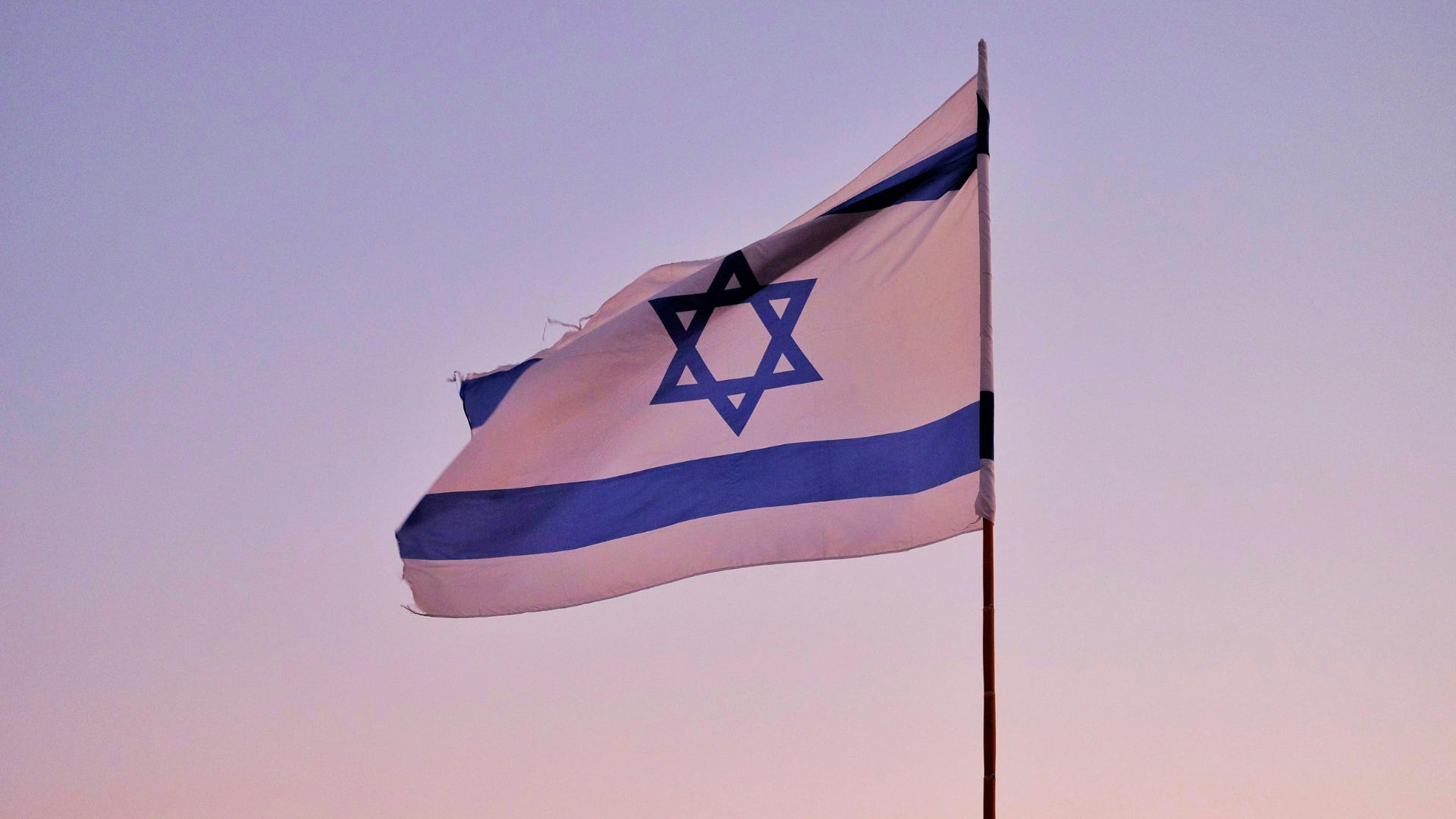
» Netanyahu Eyes Stripping Critics of Citizenship
Israeli Prime Minister Benjamin Netanyahu announced a bill that would allow the revocation of citizenship from people who defame the country’s soldiers abroad.
Context:
The announcement comes after Israel’s Culture Minister asked the government to revoke “NAZA” filmmakers’ citizenship, as mentioned in last week’s Free Flow.
The film on Israel’s actions in Gaza sparked backlash, with protesters outside one director’s home chanting “death sentence for traitors.”
Intruders also broke into the offices of +972 Magazine, which co-published investigations used in the film.
Netanyahu called out the film’s creators and announced a bill to allow higher defamation payouts.
» Israeli Election Panel Bars Arab Parties
Israel’s Central Elections Committee voted to disqualify all majority-Arab parties from the Oct. 27 election.
Context:
Israeli law allows the committee to bar parties and candidates that support armed struggle against Israel or reject Israel as a Jewish and democratic state.
The committee is made up mostly of politicians from Knesset parties, and the governing coalition holds a majority.
The Supreme Court must approve any disqualification; it will review the decisions next week.
Details:
The committee voted 18-5 to bar both the Joint List — an alliance of the Balad, Hadash, and Ta’al parties — and Ra’am, the first Arab party to join a governing coalition.
The Joint List said the decisions would disenfranchise more than 1 million voters, about 20% of Israel’s citizens.
The committee also voted 19-5 to bar Hadash lawmaker Ofer Cassif, who is Jewish. The Supreme Court overturned a similar ban on him in 2019.
In a separate 30-4 vote, the committee disqualified Balad leader Sami Abu Shehadeh over an article he published calling Hamas’ Oct. 7, 2023, attack “an important historic event militarily, politically and strategically.”
Unlike the other bans, his drew support from all opposition parties, the attorney general, and the committee’s chair, a Supreme Court justice. Abu Shehadeh denies supporting violence.
» Guinea Bans France 24
Guinea’s media regulator banned France 24 over “remarks deemed to undermine the dignity of the head of state.”
Details:
The High Authority for Communications (HAC) issued a warning after a presenter described President Mamady Doumbouya as a “putschist president.”
France 24 posted an online correction below the video broadcast that it “mistakenly labelled” Doumbouya.
The day prior, Guinea also withdrew a Jeune Afrique correspondent’s press accreditation, alleging “professional misconduct.”
France 24 and other French media have been banned across the Sahel region, as mentioned in previous Free Flows.
» Georgia Jails Critics Over Online Speech
Since June, Georgia’s Division for Combating Hate Speech has referred hundreds of social media posts to courts on speech-related charges.
Context:
A 2025 amendment made “verbal abuse, swearing, persistent insult and/or other offensive actions” toward officials over their work punishable by fines of 1,500–4,000 lari (about $550–$1,500) or up to 45 days of detention.
Repeat offenses carry fines of 2,500–6,000 lari (about $920–$2,200) or 5–60 days detention.
Enforcement intensified after the Ministry of Interior created a Division for Combating Hate Speech in June, as mentioned in a previous Free Flow.
By August 1, the division had sent about 300 cases to courts, and judges had ruled on about 130.
Notable Cases:
In July, a court jailed journalist Vakho Sanaia for 14 days over a Facebook post about the parliament speaker and a lawmaker, as covered in a previous Free Flow.
Physician and activist Giorgi Akhobadze received 25 days of detention in July, for statements about officials and a police officer.
In September, police opened a profanity case against blogger Tornike Razmadze over a Facebook post comparing the prime minister’s statements to those of Russian propagandists.
Our Take: Natalie Alkiviadou analyzed a European Court of Human Rights’ ruling that Georgia did not violate Irakli Miladze’s rights by fining him for a TikTok video criticizing transit reforms and officials. She argued the court’s approach weakens protections for online political expression across Europe.
» Canadian Court Faults University’s Lecture Cancellation
A federally appointed Canadian judge ruled University of Lethbridge’s (U of L) cancellation of a lecture by academic Frances Widdowson was “fatally flawed.”
Context:
Widdowson was invited by a U of L faculty member to give a talk called “How ‘Woke-ism’ Threatens Academic Freedom” in 2023.
Two petitions with 4,000+ signatures pressured the university to cancel the event.
The school first planned to allow the talk, citing its free expression policy and saying it did not share her views, but later reversed course.
Widdowson and student Jonah Pickle argued the cancellation violated their free expression and assembly rights under the Canadian Charter of Rights and Freedoms.
The University said it is reviewing the ruling.
Ashley Haek is a Communications Manager at The Future of Free Speech.
Ajdin Muratovic is the Director of Communications at The Future of Free Speech and the Managing Editor of The Bedrock Principle.