


This Week at a Glance 🔎
🇺🇸 13 States Seek Limits on Professors’ Speech
🇲🇾 Malaysia Sets Safety-Plan Deadline for Platforms
🇪🇺 EU to Drop Hate Speech Crime Proposal
🇪🇸 Spain Calls for Suspension of TikTok
🇭🇰 Hong Kong Activist Sentenced to 10 Years
First of All 🇺🇲
» 13 States Seek Limits on Professors’ Speech
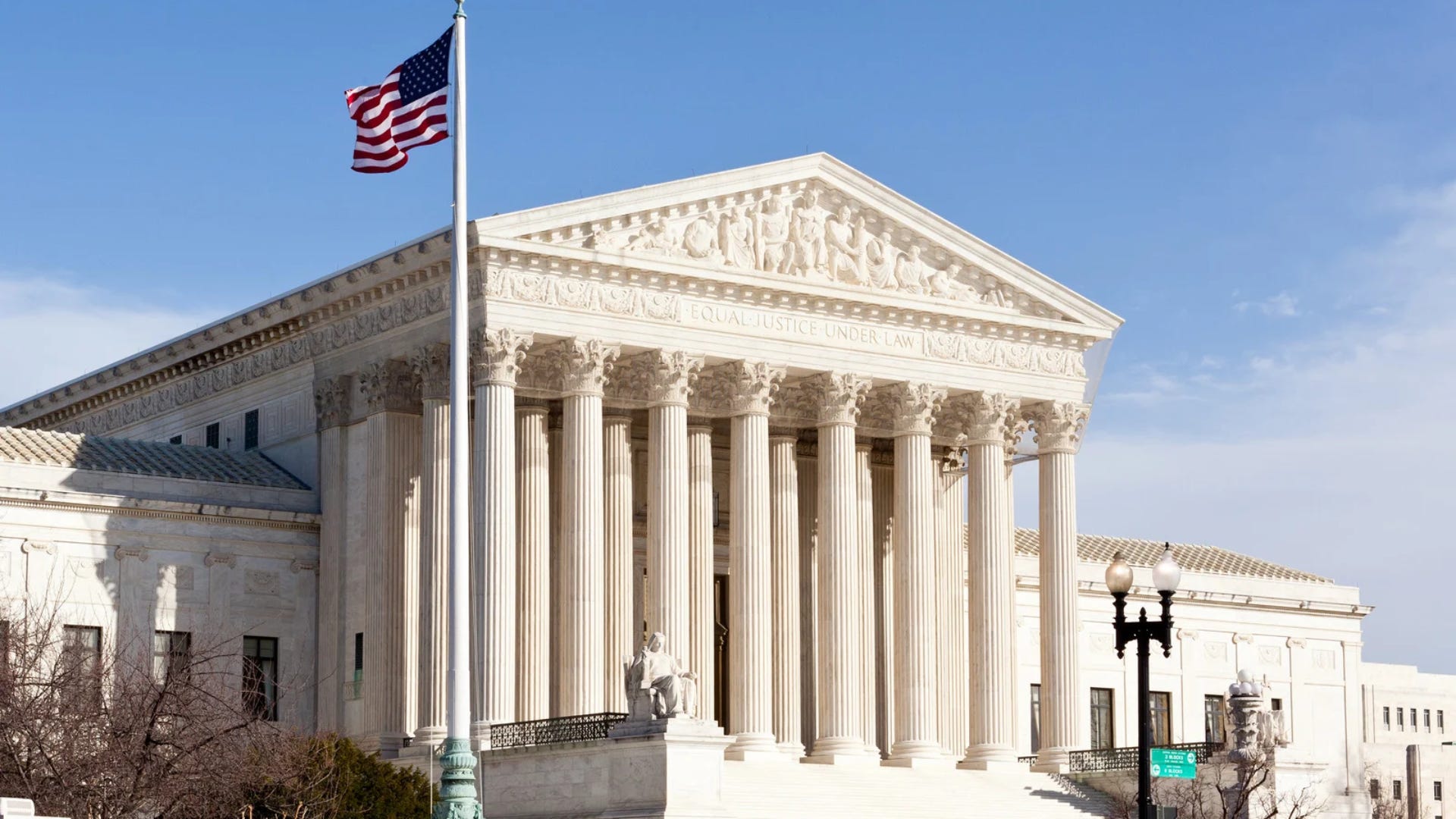
A 13-state coalition led by Kentucky and Alabama is urging the U.S. Supreme Court to hear Florida Board of Governors v. Pernell, arguing that public university professors have no special First Amendment protections beyond those of other public employees.
Details:
In a brief filed Nov. 9, the states argue that academic freedom applies only to universities, not individual professors.
Like other public employees, professors are protected only when speaking as private citizens on matters of public concern, the brief argues.
The brief cites the University of Kentucky’s investigation of law professor Ramsi Woodcock, whose statements included a petition for military action against Israel.
» White House Discussed Arresting Journalists Over Leaks
White House and Justice Department officials have discussed arresting journalists to pressure them to reveal sources, and new Chief of Staff Stephen Miller favored the idea.
Details:
President Trump has pushed the DOJ to pursue criminal leak investigations on national security grounds, The Atlantic reported.
Sources say former Chief of Staff Susie Wiles pushed back against arresting journalists, while Miller insisted journalists would quickly give up sources.
Miller replaced her after Republican midterm losses and a New York Times article quoting leaked jokes about Republican election prospects.
A DOJ spokesperson told The Atlantic: “This is absolutely false.” A White House spokesperson said unauthorized leaks will “NEVER be tolerated.”
Our Take: After the FBI searched a Washington Post reporter’s home in January, Ashkhen Kazaryan said that even in leak investigations, the First Amendment and longstanding precedent require the government to proceed with extreme restraint.
» Court Narrows DOJ Search of Journalists’ Records
The 4th U.S. Circuit Court of Appeals limited the Trump administration’s access to journalists’ LinkedIn records as part of a national security leak probe, calling the demand overbroad.
Details:
The Justice Department is investigating the leak behind an article that revealed details of “a top-secret United States military operation in a foreign country.” Court records don’t name the outlet or article.
The Justice Department asked LinkedIn to reveal whom several journalists messaged over an 18-month period, but not the messages’ content.
A district judge approved the demand and barred LinkedIn from telling the journalists about it. LinkedIn challenged the demand’s scope.
Judge J. Harvie Wilkinson III largely agreed with LinkedIn, writing that “confidentiality of sources is the lifeblood of a free press.”
The court said the order would sweep in unrelated sources from nearly 1,000 stories, and told the district court to narrow the set of records the administration can access.
» School Settles Protest Wristband Case
A federal judge entered an agreed judgment declaring that New Hampshire school officials violated two fathers’ First Amendment rights by banning them from school grounds over wristbands protesting transgender athletes.
Details:
The fathers wore pink wristbands marked “XX,” representing female chromosomes, to a 2024 soccer game where a transgender girl played on the opposing team.
After they were banned, they sued the school district. School officials argued the district had a duty to protect students from adult harassment and that another parent overheard others discuss heckling the athlete.
U.S. District Judge Steven McAuliffe, who initially sided with the district, entered the agreed judgment after the 1st U.S. Circuit Court of Appeals ruled in August that the parents were likely to succeed on their viewpoint discrimination claim.
The Digital Age 🤖

» Tech Platforms Challenge California Child Safety Law
Google, Meta, and TikTok filed separate federal lawsuits against a California law that bars social media platforms from offering certain feed features to children under 16.
Details:
AB 1709, set to take effect on Jan. 1, prohibits personalized feeds and autoplay videos on children’s accounts.
The platforms argue the law violates the First Amendment by compelling them to present content to children in the state’s preferred way, and is preempted by Section 230.
TikTok told KQED the law “erodes the long-standing and protected practice of curating content based on user preferences, which bookstores, TV networks, and streaming services all use.”
A Google spokesperson said banning such features would limit users’ ability to learn from educational content and “break the systems we’ve built to help kids find high-quality, age-appropriate videos.”
» Kentucky AG Says Court ‘Misconstrued’ Section 230
Kentucky Attorney General Russell Coleman asked the 6th U.S. Circuit Court of Appeals to reverse a ruling that Section 230 shields Discord from a child-exploitation lawsuit.
Details:
An Ohio girl who alleges she was coerced into sending explicit images on Discord sued the platform, accusing it of lying about its safety features.
In April, a federal trial court dismissed the case with prejudice, finding Section 230 shielded Discord from liability for the alleged predator’s actions.
Coleman’s amicus brief, joined by Ohio, Michigan, and Tennessee, argues that the ruling “misconstrued Section 230” and hampers efforts to stop child sexual abuse online.
Coleman sued Roblox, an online gaming platform, in October 2025, alleging similar misrepresentations about safety.
» Malaysia Sets Safety-Plan Deadline for Platforms
Licensed social media platforms must submit online safety plans to Malaysia’s communications regulator by Dec. 28.
Details:
The requirement comes under Malaysia’s 2025 Online Safety Act.
Deputy Communications Minister Teo Nie Ching said platforms are expected to implement age verification in January 2027, when the transition period ends.
Providers that fail to comply could face fines of up to 1 million ringgit (about $248,000), plus up to 100,000 ringgit (about $24,800) for each day the offense continues after conviction.
» Kenya Introduces Online Safety Bill
A Kenyan lawmaker introduced the Online Safety Bill 2026, which would require tech companies to protect minors from illegal online material.
Details:
The bill would empower the Communications Authority of Kenya to track compliance and fine platforms up to 500 million Kenyan shillings (about $3.8 million) or 10% of global annual turnover, whichever is higher.
Users under 18 would need parental approval to create accounts or access social media.
Platforms would have to implement age-verification or age-estimation systems and verify that permission comes from a legal parent or guardian.
Senior executives could face up to five years in prison if an offense stems from their consent or gross negligence.
The Brussels Effect: Europe and Beyond 🇪🇺

» EU to Drop Hate Speech Crime Proposal
The European Commission plans to withdraw its proposal to add hate speech and hate crime to the list of EU crimes.
Details:
The 2021 proposal failed to obtain the necessary unanimous backing from member states.
The Commission is instead considering a directive to combat online incitement to violence and hatred, which would only need a qualified majority.
Current EU law requires member states to criminalize certain forms of racist and xenophobic speech and to consider such motivations in setting penalties.
Our Take: We have long warned that criminalizing hate speech would violate freedom of expression and do little to reduce intolerance or extremism. In the Journal of Free Speech Law, Jacob Mchangama and Natalie Alkiviadou argued the proposal is vague, unnecessary, and a disproportionate burden on free speech.
» EU Threatens Fines Over TikTok’s ‘For You’ Feed
The European Commission told TikTok to change its “For You” feed algorithm, saying in preliminary findings that it violates the Digital Services Act.
Details:
The Commission said the algorithm results in “endless” exposure to “content about sadness, isolation, or body image.”
Executive Vice President Henna Virkkunen said it leads “users down rabbit holes they cannot easily escape from.”
TikTok could face fines of up to 6% of its global annual revenue if it does not resolve the issue.
The platform rejected the findings and can respond before a final decision.
As covered in a previous Free Flow, the Commission preliminarily found in February that TikTok’s “addictive design” breached the DSA.
» France Investigates Writer Over Muslim Remarks
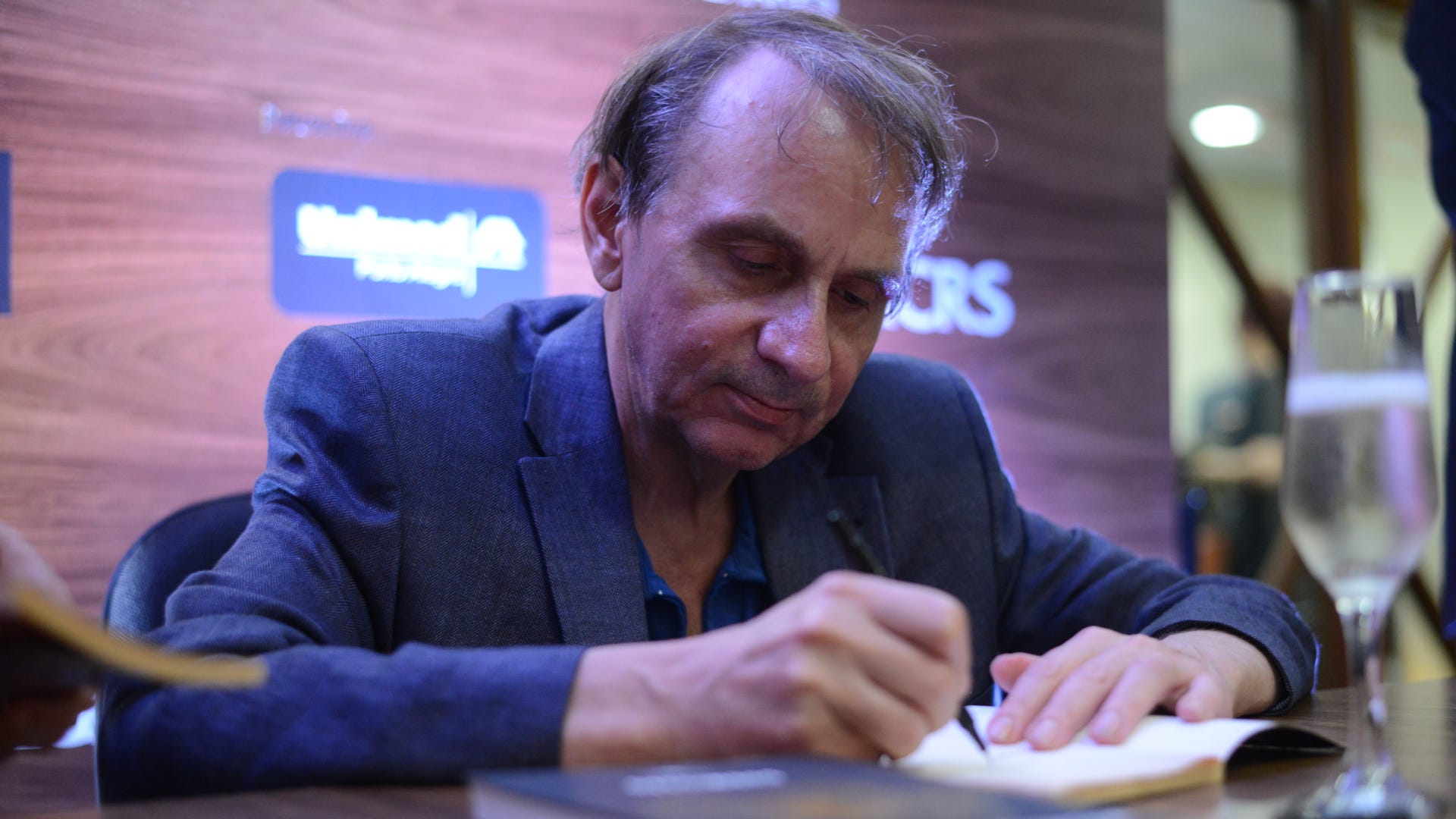
French writer Michel Houellebecq was placed under formal investigation on suspicion of complicity in incitement to discrimination, hatred, or violence, according to a source close to the case.
Details:
The case concerns a 2022 interview in which Houellebecq called Muslims a security threat and said the “native French” want them to stop stealing from and attacking them, or to leave.
The Union of Mosques of France filed the complaint in 2023.
Houellebecq’s lawyers said the remarks contained no incitement and lamented a “growing tendency to litigate intellectual debate.”
A lawyer for the mosque union said free expression “cannot justify everything” and that the courts will decide.
» Spain Calls for Suspension of TikTok
Spain’s Youth Ministry demanded that TikTok suspend operations in the country until it removes child sexual abuse material (CSAM).
Details:
The demand follows a report by fact-checking nonprofit Maldita.es that documented 1,183 explicit posts on the platform viewed at least 48 million times.
The ministry can’t ban TikTok itself, so it asked prosecutors and the Data Protection Agency to act.
In February, Prime Minister Pedro Sánchez’s government ordered a probe into X, Meta, and TikTok for allegedly spreading AI-generated CSAM.
Free Speech Recession 🌍
» Hong Kong Activist Sentenced to 10 Years
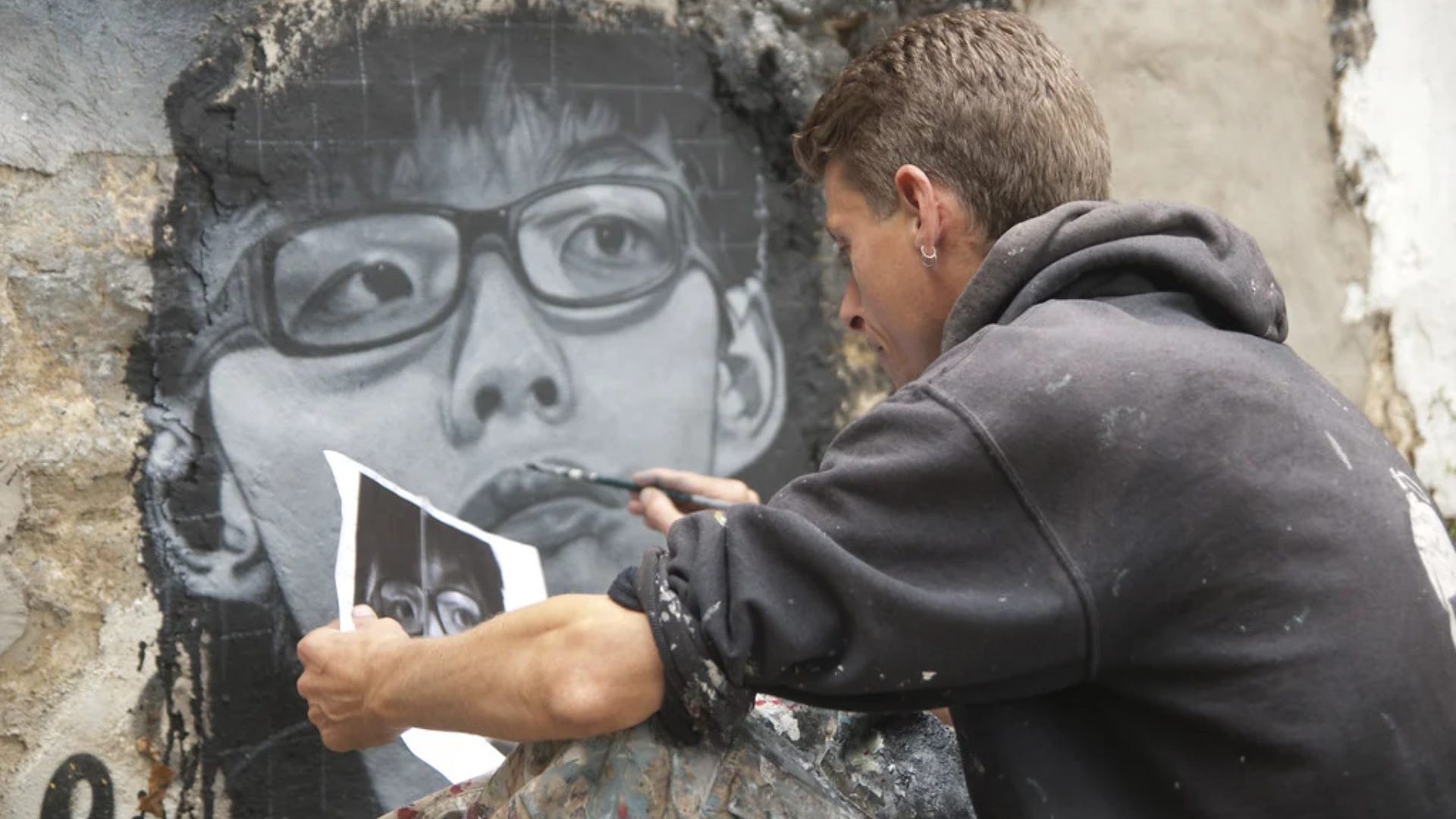
A Hong Kong court sentenced pro-democracy activist Joshua Wong to 10 years in prison for foreign collusion.
Details:
Wong pleaded guilty to conspiring with exiled pro-democracy figure Nathan Law and others to ask foreign governments and organizations to impose sanctions, blockades, or other actions on China and Hong Kong.
The judge found that Wong supported Law’s overseas sanctions campaign by sharing content through foreign media and social media.
Context:
Wong was already serving a sentence of four years and eight months for “conspiracy to commit subversion.”
He was among 45 opposition politicians and activists convicted of the charge under the Beijing-imposed 2020 National Security Law for participating in an unofficial democratic primary that year.
He was due for release in January but will now remain in prison until 2036.
Our Take: At The Future of Free Speech’s 2024 Global Free Speech Summit, Nathan Law described Hong Kong’s National Security Law as “a very convenient legal weapon” to prosecute dissenting voices. Law called Wong “one of my dearest friends” and said he “was sentenced several times because of peaceful advocacy work.”
» Cuba Detains Third Journalist in a Week
Cuban authorities detained and later released independent journalist Yoani Sánchez in Havana on Nov. 5, making her the third reporter detained that week.
Details:
Sánchez, founder of the outlet 14ymedio, was reportedly detained on her way to the store.
Cuban activist Orlando Gutiérrez said the detentions are part of broader efforts to restrict independent reporting in Cuba, where all media outlets are legally required to belong to the state.
A Havana court convicted a content creator in October for filming an Interior Ministry agent, as covered in a previous Free Flow.
» Algerian Journalist Sentenced to Three Years
An Algerian court sentenced journalist Abdelali Mezghiche to three years in prison and fined him 200,000 Algerian dinars (about $1,500) on five charges, the Committee to Protect Journalists reported.
Details:
Mezghiche was convicted under Articles 96 and 100 of Algeria’s penal code, which criminalize distributing publications deemed harmful to the national interest and inciting unarmed gatherings.
He was also convicted of disseminating hate speech.
He was arrested Feb. 5 over Facebook posts about public anger at the jailing of local figures in the city of Djanet and has been held in Kolea Prison since Feb. 9.
» Tanzania Opposition Leader Sentenced to Four Years
A Tanzanian court sentenced the country’s main opposition leader, Tundu Lissu, to four years in prison for inciting people to disrupt last year’s election.
Details:
Lissu, chairman of the Chadema party, was arrested April 9, 2025, after calling for electoral reforms at a rally.
He was acquitted of a treason charge that carried a potential death sentence.
His lead lawyer said the defense plans to appeal and seek bail pending the appeal.
Lissu remained in custody during last year’s general election, in which presidential candidates from the two main opposition parties were barred from competing.
As covered in a previous Free Flow, the election triggered mass protests, violence, and a full internet blackout.
Ashley Haek is a Communications Manager at The Future of Free Speech.
Ajdin Muratovic is the Director of Communications at The Future of Free Speech and the Managing Editor of The Bedrock Principle.