


Join Us! The 2026 Global Free Speech Summit returns on October 2–3 in Nashville, TN. Hosted by The Future of Free Speech and Vanderbilt University, this event brings together global leaders, thinkers, and change-makers to confront the most urgent threats to freedom of expression and explore bold, resilient solutions. Guests will have the opportunity to attend networking receptions where they can exchange ideas with speakers and other guests.
🎟️ Spots are limited. Get your tickets here.
This Week at a Glance 🔎
🇺🇲 U.S. Senate Marks Up “Jawboning” Legislation
📲 California Enacts Child-Safety Tech Laws
🇪🇺 EU Unveils Kids Act
🇹🇷 Turkey Detains Dozens in Anti-LGBTQ+ Raids
🇧🇩 Bangladesh Cyber Protection Draft Amendments Threaten Media
First of All 🇺🇲
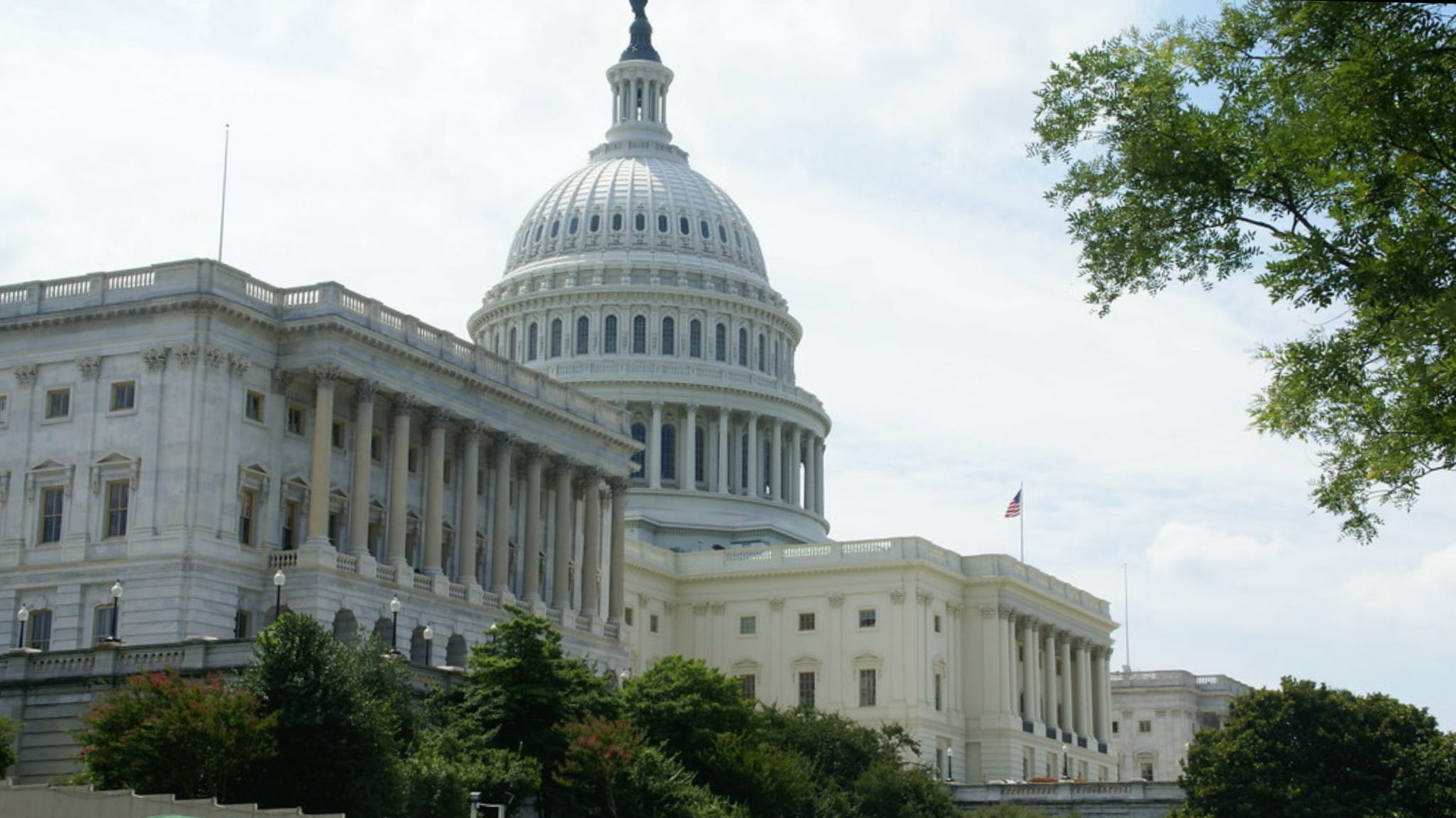
» Senate Marks Up “Jawboning” Legislation
The Senate Commerce Committee approved legislation targeting “jawboning,” or government pressure on companies to censor certain speech.
The Bill:
Individuals, broadcasters, and platforms could sue government agencies or employees over coercion to alter or remove speech.
It requires a public database of government communications with platforms, broadcasters, and AI providers.
It would potentially strip Section 230 protection from platforms that make content decisions based on government communications.
Exceptions are carved out for communications that are part of investigations, federal law enforcement, or national security.
The bill received bipartisan support in the committee, reflecting frustration with government censorship across the political spectrum.
Our Take: Jeff Kosseff wrote that the bill, building on First Amendment precedent, would better protect the companies and individuals facing government pressure by creating a private right of action and providing transparency.
» Kimmel Shelves Talarico Interview Over FCC Threats
ABC late-night host Jimmy Kimmel declined to air his interview with Texas Senate candidate James Talarico over fears the FCC would target it for violating the equal time rule.
Details:
Instead, Kimmel’s show posted the interview to YouTube, where it drew 3.6 million views in 16 hours – more than double his typical broadcast audience of 1.5 million.
Context:
This is Talarico’s second streaming redirect in 2026 – Stephen Colbert’s CBS show did the same in February, as included in a previous Free Flow.
The equal time rule requires that broadcasters give all legally qualified candidates equal airtime.
Since 1984, the FCC’s “bona fide news” exemption has let chat shows freely host candidates – including Donald Trump, who appeared twice on Kimmel’s show before his 2016 nomination.
FCC Chairman Brendan Carr revoked the exemption in January, as mentioned in a previous Free Flow.
ABC pulled Kimmel off air for a week in 2025, after Carr threatened agency action over separate remarks, as detailed in a previous Free Flow.
Our Take: Ashkhen Kazaryan warned that the FCC’s actions send a message to students and future policymakers that agencies can target speech they dislike. “Our constitutional system will withstand and protect the speech rights that are under attack today. But today’s students are tomorrow’s policymakers. If we want them to inherit a First Amendment worth defending, we can’t treat it like an afterthought today.”
We’ve also submitted comments urging the FCC against the early license renewal of ABC stations, and arguing it declares The View, another ABC interview show, exempt from the rule.
The Digital Age 🤖
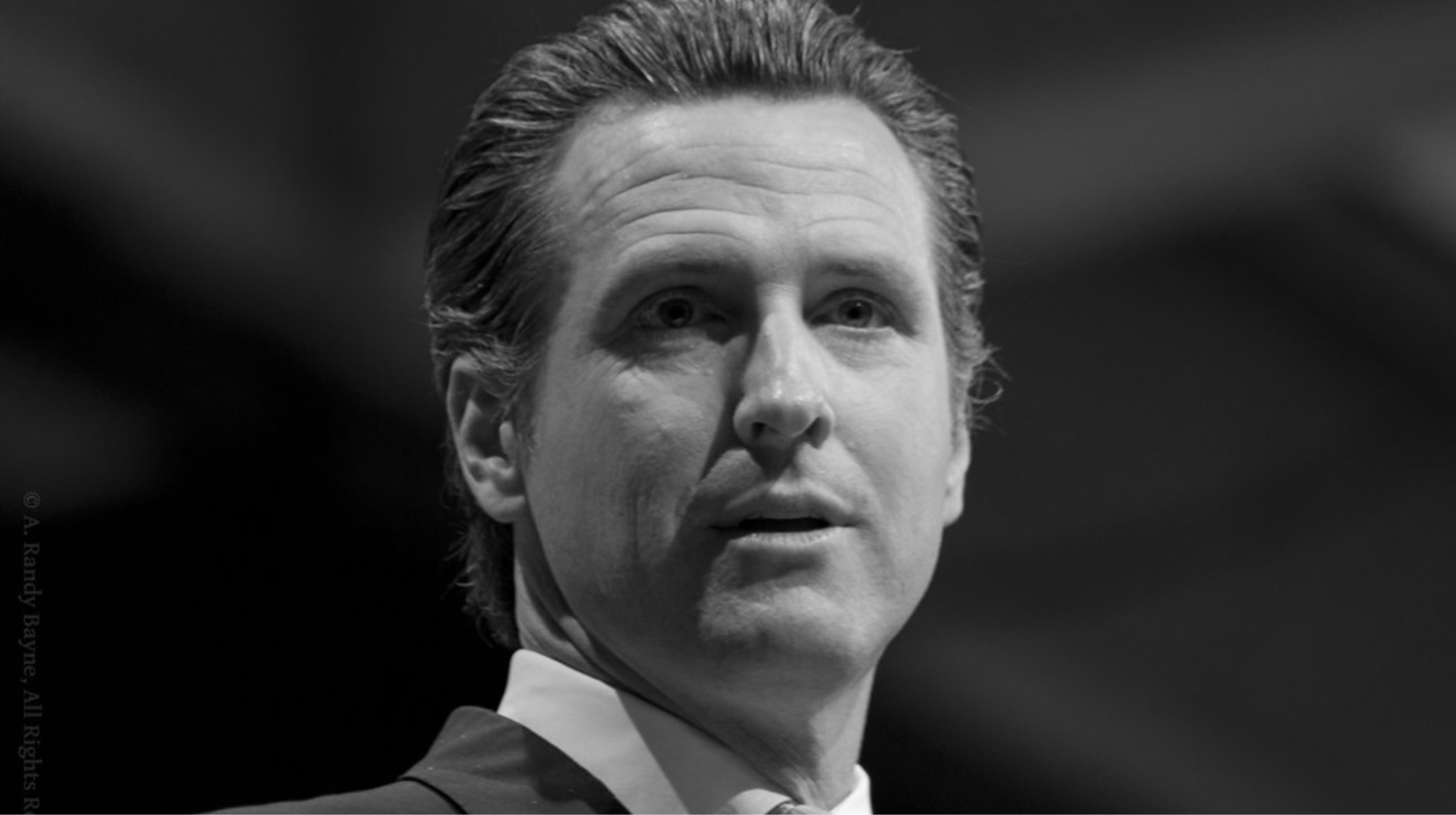
» California Enacts Sweeping Child-Safety Tech Laws
Governor Gavin Newsom signed a package of laws restricting how social media platforms and AI chatbots interact with minors.
Details:
The laws ban autoplay and personalized algorithmic feeds for users under 16.
AI chatbot providers must alert parents when a young user shows signs of emotional distress.
Platforms that negligently harm children face fines up to $1 million per child.
The bills also require the state to create a registry of independent AI-safety auditors.
Our Take: Writing on Meta’s $17.1 billion child-safety settlement, Jeff Kosseff argued that government efforts to protect children online risk handing authorities the power to shape content and erode platforms’ First Amendment right to set their own policies.
The Brussels Effect: Europe and Beyond 🇪🇺
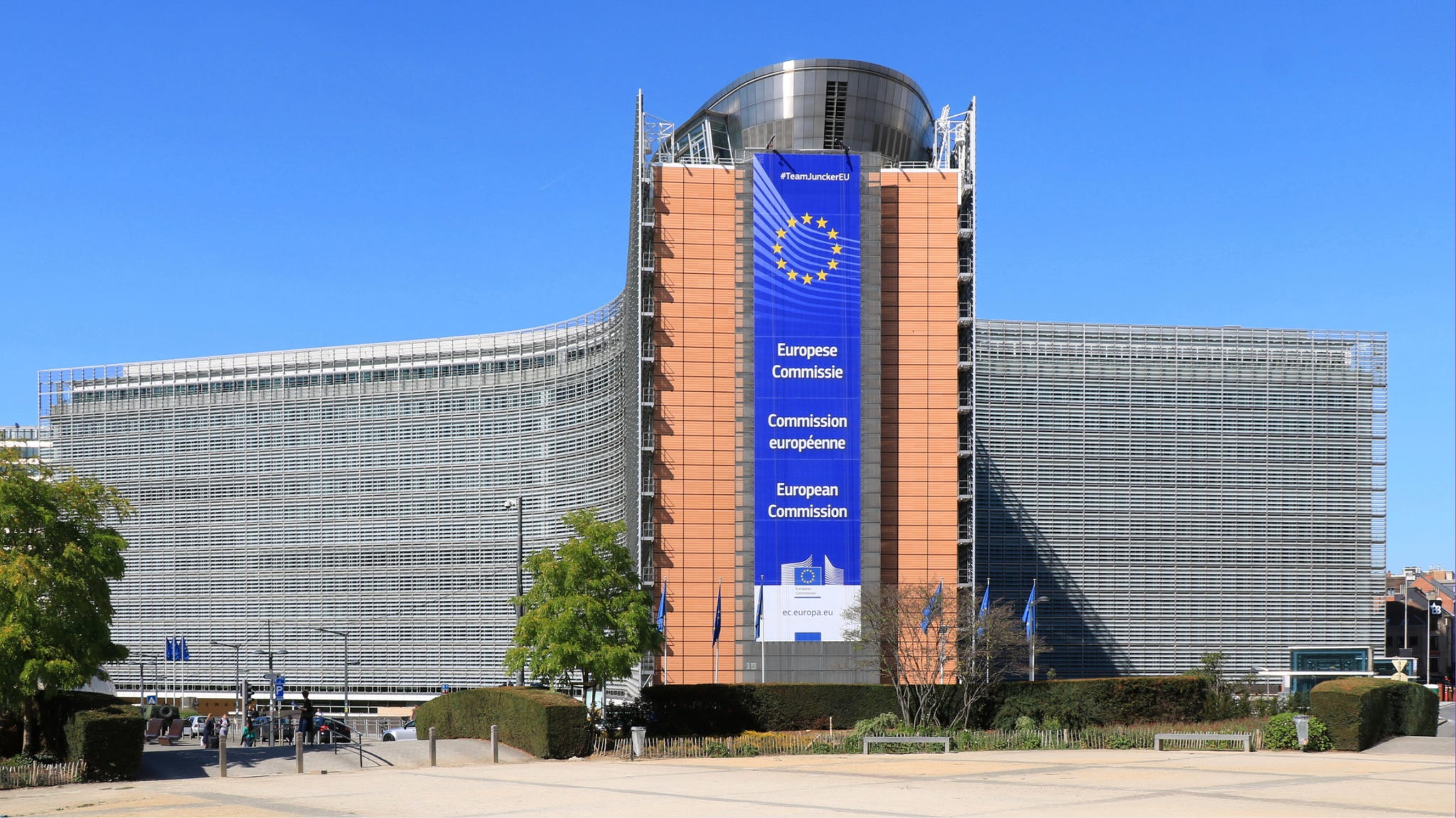

» EU Unveils KIDS Act
The European Commission proposed the “EU Kids Act,” setting bloc-wide age restrictions for social media and other online services.
Age Restrictions:
Under 13: barred from social media unless a parent opens the account and the platform proves it’s a “child-friendly” service.
Ages 13–15: parents can open accounts, but with added safeguards — parental oversight, one-hour screen-time limits, and restrictions on contact with strangers.
From 15: teens can open their own accounts.
Additional Provisions:
The act covers social networks, video-sharing platforms, AI companions, chatbots, and certain gaming services – a wider net than Australia’s regulations.
Companies face penalties up to 6 percent of global annual sales.
Context: The proposal follows more than a dozen member states floating their own social media bans, pressuring the Commission to act.
What’s next: Commission officials expect approval in 8–12 months, though approval by Parliament and member states could take up to two years.
Free Speech Recession 🌍

» Hong Kong Court Jails Tiananmen Vigil Leaders
A Hong Kong (HK) court sentenced three organizers of annual Tiananmen Square remembrance vigils to up to seven years in prison for inciting subversion under the Beijing-imposed national security law.
Context:
Lee Cheuk-yan received seven years; Chow Hang-tung, seven years and three months; and Albert Ho, who pleaded guilty, five years and two months.
They were convicted of “inciting subversion” earlier this month under a 2020 Beijing-imposed national security law, as mentioned in a previous Free Flow.
HK activists held vigils for three decades, until China banned the annual event during the pandemic.
Lee and Chow plan to appeal.
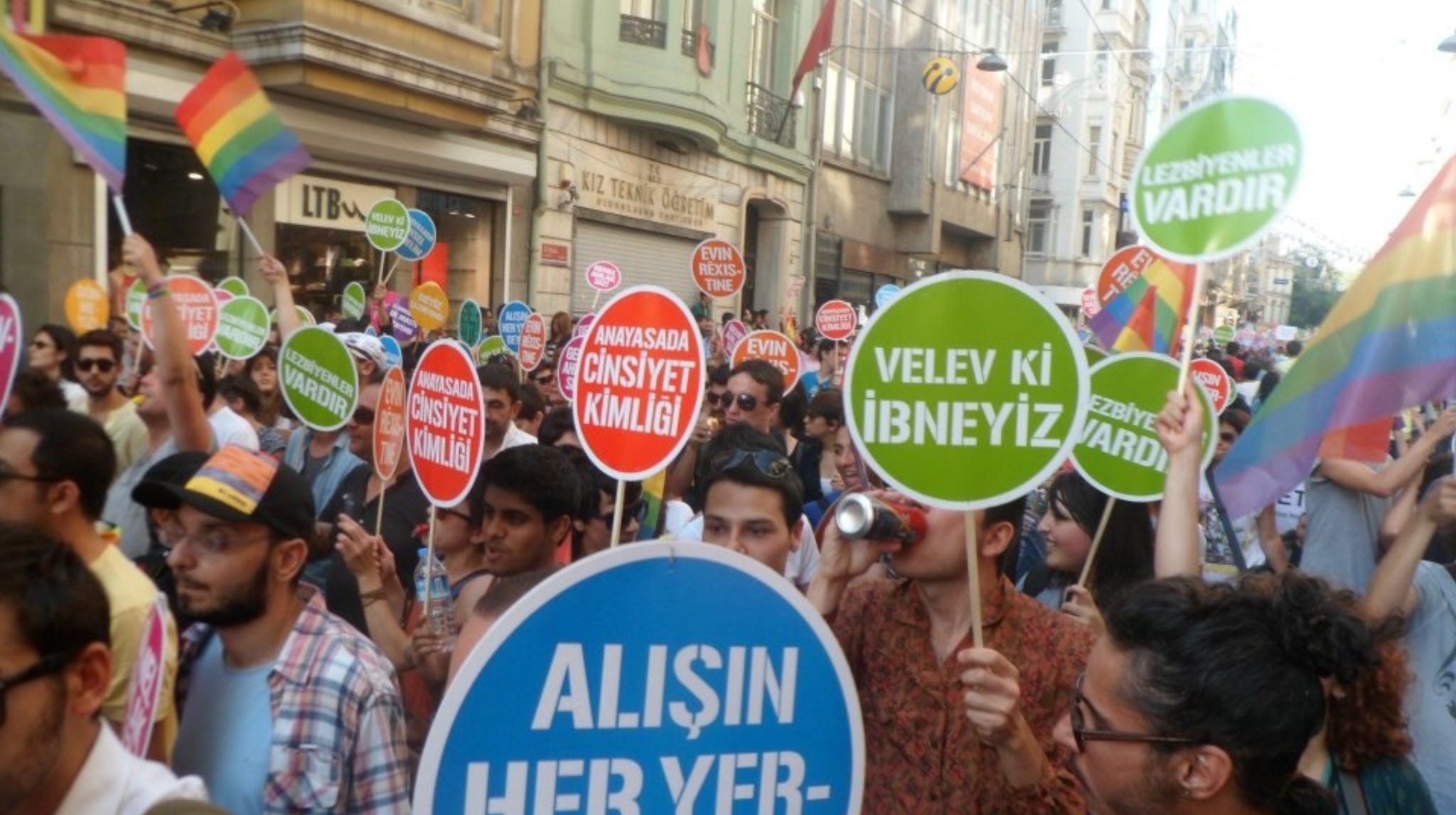
» Turkey Detains Dozens in Anti-LGBTQ+ Raids
Turkish police detained at least 63 people in raids on gay bars and activists’ homes across major cities.
Details:
The nation-wide crackdown launched legal proceedings against 162 individuals, nine organizations, and 13 companies, and blocked 100+ LGBTQ+ accounts on X.
Justice Minister Akin Gurlek tied the raids to a “Decade of the Family” initiative aimed at “protecting our children, the institution of the family, and social order.”
Turkey’s LGBTQ+ community is a symbol of resistance to the country’s conservative rule, making it a target of recurring crackdowns.
President Recep Erdogan, in power since 2003, has repeatedly called LGBTQ+ people “perverts” and blamed them for declining birth rates.
» Bangladesh Cyber Protection Draft Amendments Threaten Media
Draft amendments to Bangladesh’s Cyber Protection Act would jail journalists for up to 10 years for circulating “rumor” and “misinformation” online.
Details:
The amendments criminalize material that authorities deem “unsubstantiated or unverified” and likely to cause public confusion, panic, or unrest.
Cases would go before a specialized Cyber Tribunal, which could also suspend or cancel news outlets’ licenses.
Information and Broadcasting Minister Andaleeve Rahman said the amendments aim to stop “disorder” online and protect social harmony.
Previously, 255+ journalists were sued under Bangladesh’s Digital Security Act, which governed online speech from 2018–2023.
» Iran Advances Bill Restricting Contact With Foreign Media
An Iranian bill requiring pre-approval from the Intelligence Ministry and the Islamic Revolutionary Guards Corps for foreign interactions is advancing.
Details:
Interviews and communications with “hostile” media, as well as sending materials to foreign media, is punishable by up to 2 years in prison.
Publishing articles and joining academic exchanges or conferences also requires pre-approval.
Parliament approved the bill’s framework 183- 4 in mid-August; its articles have since expanded from 19 to 33, though only the first two have passed the floor.
The bill will still require Guardian Council approval to become law.
» Egypt Holds Sudanese Journalist Incommunicado
Egyptian authorities detained Al-Sudani editor-in-chief Ataf Mohamed Mokhtar and are holding him incommunicado.
Details:
Authorities have disclosed no legal basis for his detention or whereabouts.
The arrest came after Ataf commented on a UN expert’s Sudan report that linked the United Arab Emirates (UAE) to the war, which it has denied.
Some outlets suspect UAE complaints led to his arrest.
He is being held at an undisclosed location where he is prohibited from speaking with anyone outside.
» Israeli Minister Seeks to Strip Documentary Directors of Citizenship
Israeli Culture Minister Miki Zohar formally asked the government to revoke the citizenship of Yuval Abraham and Rachel Szor, directors of the documentary “NAZA.”
Details:
The documentary examines “the systems behind Israel’s calculated mass killing” in Gaza after October 7, 2023.
Abraham says that Israelis need to hear directly from soldiers in the film; the Israeli Film Council accuses the film of maligning the troops.
Zohar wants an inquiry into whether the film constitutes “treason” or “aiding the enemy during wartime,” crimes, he argues, that free expression cannot excuse.
“Naza” won a prize at the 2026 Venice Film Festival, a year after the directors won an Oscar for “No Other Land,” about the Israeli occupation of the West Bank.
Ashley Haek is a Communications Manager at The Future of Free Speech.
Ajdin Muratovic is the Director of Communications at The Future of Free Speech and the Managing Editor of The Bedrock Principle.