


Editor’s Note: The Free Flow will be on hiatus next week as our team celebrates Thanksgiving.
This Week at a Glance 🔎
🇺🇲 Order Bars Government Pressure Over ICE Reporting
🇬🇧 UK Regulator Tightens Child Abuse Material Rules
🇵🇱 Polish President Vetoes DSA Bill Again
🇹🇷 Turkey Raids Opposition Channel Sözcü TV
🇦🇫 Taliban Bans Cricket Coverage on Kandahar Radio
First of All 🇺🇲
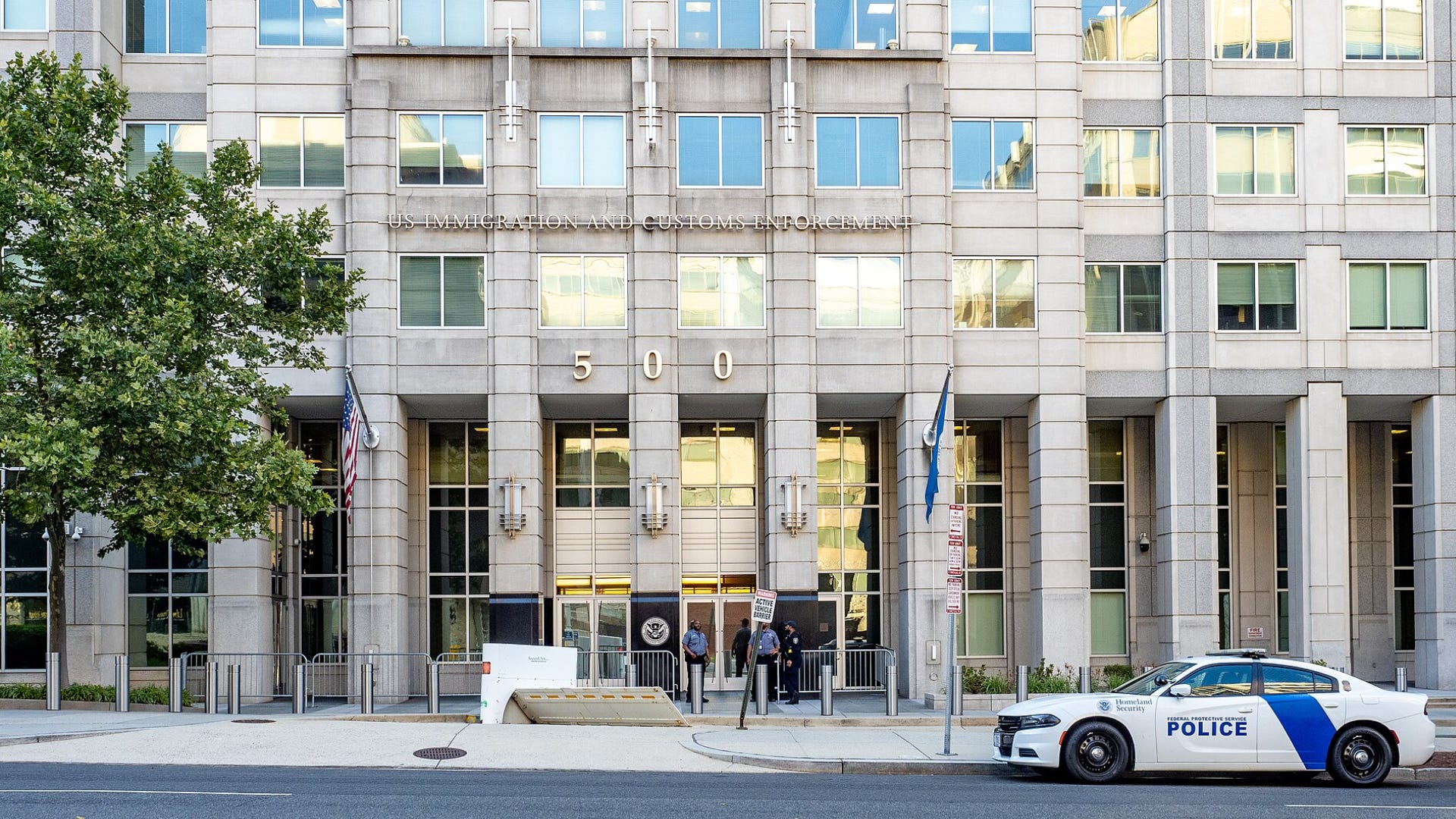

» Order Bars Government Pressure Over ICE Reporting
The federal government agreed to a permanent court order barring it from pressuring Apple and Facebook to restrict two user-created platforms for reporting Immigration and Customs Enforcement (ICE) activity.
Details:
The Foundation for Individual Rights and Expression (FIRE) sued the Justice Department and the Department of Homeland Security in February on behalf of the platforms’ creators.
The suit alleged Facebook disabled the group “ICE Sightings – Chicagoland” and Apple removed Eyes Up, an app for sharing videos of ICE operations, under government pressure.
U.S. District Judge Jorge Alonso’s order makes permanent a preliminary injunction he granted in April, as covered in a previous Free Flow.
Alonso wrote the federal government “shall take no actions, formal or informal, to demand or pressure” Facebook and Apple to suppress the group and the app.
» NYC Mayor to Disband Police Protest Unit
New York City Mayor Zohran Mamdani announced a plan to disband the police unit that responds to protests.
The Plan:
The plan dissolves the New York Police Department’s Strategic Response Group (SRG), created in 2015.
It also bans kettling, in which officers surround protesters to make mass arrests, along with tear gas and long guns.
Officers may not use pepper spray for crowd control or bicycles as weapons, except in extreme circumstances.
Two new units will handle protest response: a civilian-led division in the mayor’s office, with no weapons or arrest powers, and a 30-officer NYPD First Amendment Support Team trained in communication and de-escalation.
The SRG’s counterterrorism duties will move to the NYPD’s intelligence bureau.
Reaction:
Police Commissioner Jessica Tisch backed the plan, but the largest police union said it puts public and officer safety at risk.
The Digital Age 🤖
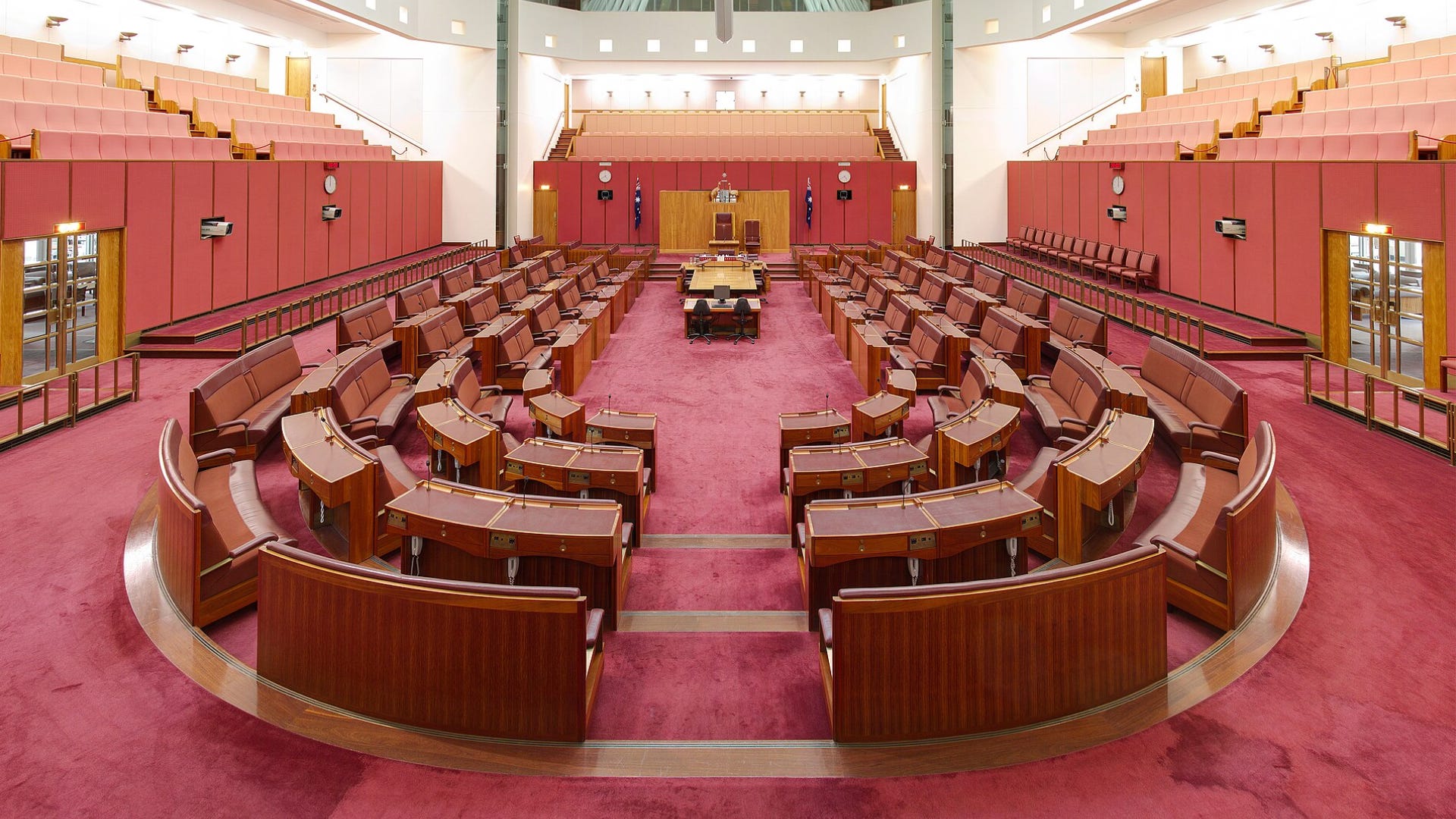

» Australian Senate Weighs Digital ‘Duty of Care’ Bill
Australia’s Senate is considering a bill that would impose a digital “duty of care” on online services, requiring them to protect users from “seriously harmful” material and conduct, as covered in a previous Free Flow.
Details:
The bill covers social media, websites, games, messaging apps, search engines, and AI services.
It adds duties to protect children from content such as bullying and bars social media from exposing children under 16 to features such as recommendation algorithms and endless feeds.
After consultation, the government dropped a power letting the minister add new harm categories without parliamentary approval.
The revised bill exempts professional news, artistic and educational content, academic research, and public health material.
The bill passed the lower house Oct. 28, but the governing Labor Party lacks a Senate majority and needs support from smaller parties to pass it.
Our Take: Ashkhen Kazaryan warns the bill will push platforms to remove lawful content and urges researchers to “start measuring what users in Australia can see now” to document what changes if it passes.
» UK Regulator Tightens Child Abuse Material Rules
UK media regulator Ofcom announced new child-safety rules for online platforms under the Online Safety Act.
The Rules:
Online services, including social media platforms, file-sharing services, and pornography sites, would have to ban users who generate, upload, or share child sexual abuse material (CSAM).
Services would have to use “hash-matching” technology, which compares uploads against databases of known illegal content, to remove known CSAM automatically.
In some cases, services would also have to deploy automated tools to identify previously unknown content.
The government said relevant services would have to use the same technology to detect and remove known terrorist content.
The new rules are expected to take effect in early 2027 if Parliament approves them. Violators face fines of up to 10% of global revenue.
Our Take: Content removal systems often delete lawful speech. Our 2024 research on removals in France, Germany, and Sweden found that 87.5% to 99.7% of deleted comments were legal speech. Extending mandatory scanning from abuse imagery to “terrorist content” raises the risk for political expression.
» Ex-UK Officer Appeals Facebook Post Conviction
A retired police officer is appealing his conviction for malicious communication over a Facebook post about Islam that a court found “grossly offensive.”
Details:
Stephen Gray reposted a message that read, “Fun facts about Bacon! People who eat bacon have a lower chance of marrying a nine-year-old!” beside an image of a man in a religious headdress.
Gray said he meant to highlight child marriage and abuse. Prosecutors said the post cast all Muslims as prone to abusing children.
Gray said the complaint, filed by his next-door neighbor, was malicious.
The court will rule Dec. 21.
The Brussels Effect: Europe and Beyond 🇪🇺
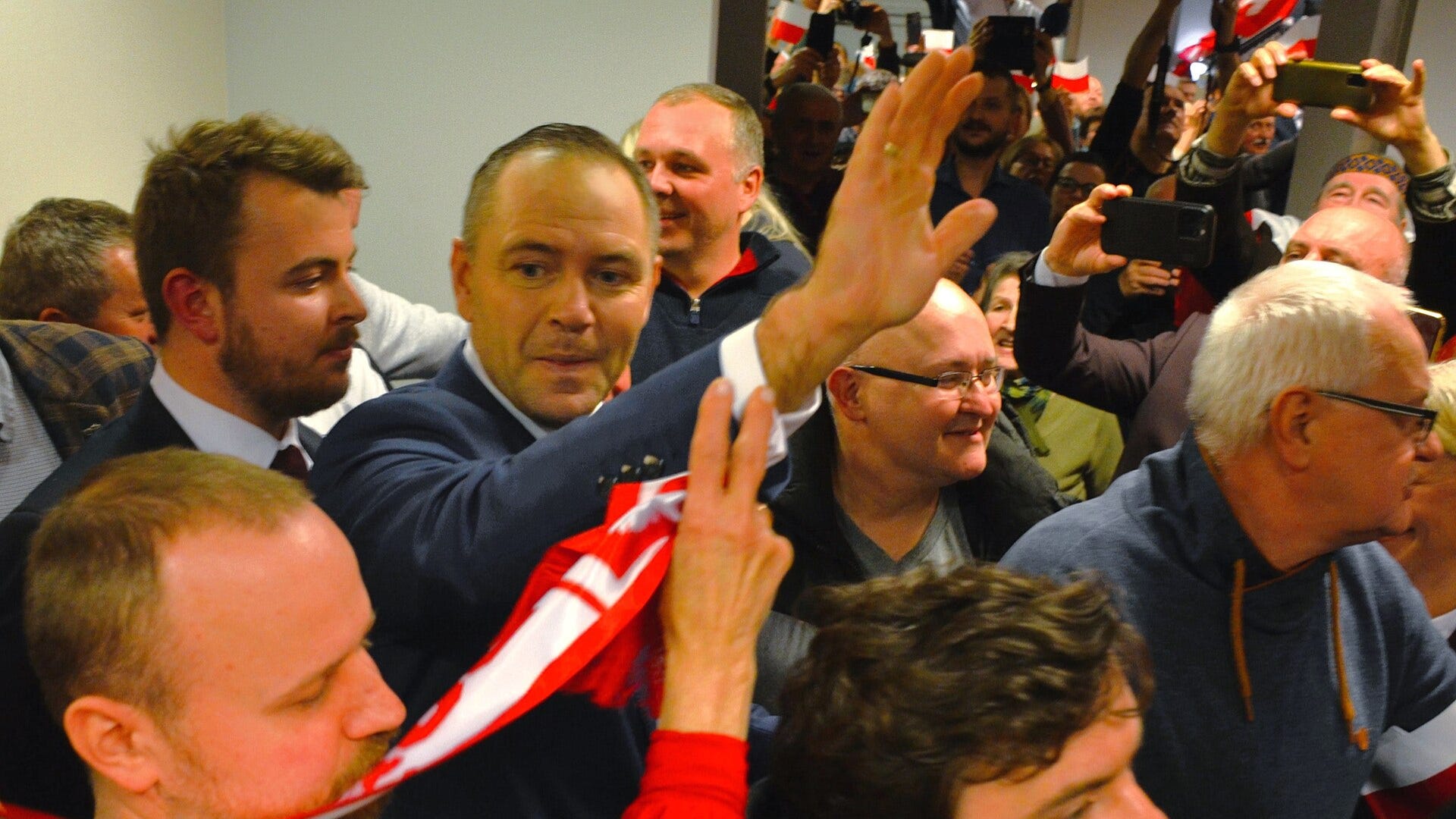

» Polish President Vetoes DSA Bill Again
Polish President Karol Nawrocki again vetoed legislation implementing provisions of the EU’s Digital Services Act.
Details:
The legislation would empower regulators to decide whether content is illegal and order it blocked.
Nawrocki said the measures would give officials excessive control over freedom of expression and that only courts should rule on whether content is a crime.
Parliament can override a veto only with a three-fifths majority in the 460-seat Sejm, with at least half of lawmakers present.
The government could also revise the legislation to address Nawrocki’s objections.
Nawrocki vetoed the original legislation in January, as mentioned in a previous Free Flow.
» EU Sanctions Russian Disinformation Firm, Hackers
The Council of the EU sanctioned Social Design Agency, a Russian firm running disinformation campaigns, and a Russian hacking group.
Details:
The Council said the Social Design Agency’s campaigns targeted EU countries, institutions, and support for Ukraine.
The EU also imposed travel bans and asset freezes on people it describes as Russian propagandists.
Our Take: Jacob Mchangama acknowledged Russia’s cyber operations “go well beyond disinformation and propaganda,” but argued that the sanctions treat caricaturists and memes as threats to Europe. “Sanctions must be targeted or else the precedent they set risks doing more harm than good,” he wrote.
» NGOs Oppose Border Agency’s ‘Trusted Flagger’ Status
A group of 28 human rights organizations urged the European Commission to retract its proposal to designate the EU border agency, Frontex, as a “trusted flagger” under the Digital Services Act (DSA).
Details:
Frontex would monitor public social media posts and support action against allegedly illegal content linked to border-security risks.
The proposal would also empower the agency to request that national authorities issue takedown orders for social media content.
The Electronic Frontier Foundation (EFF) warned the proposal “risks creating a powerful tool for over-enforcement, stifling the free expression of migrants, asylum seekers, and other marginalized groups.”
EFF said the DSA gives Frontex no role in requesting removal orders, and that trusted flaggers are meant to notify platforms, which decide whether to remove content.
Free Speech Recession 🌍
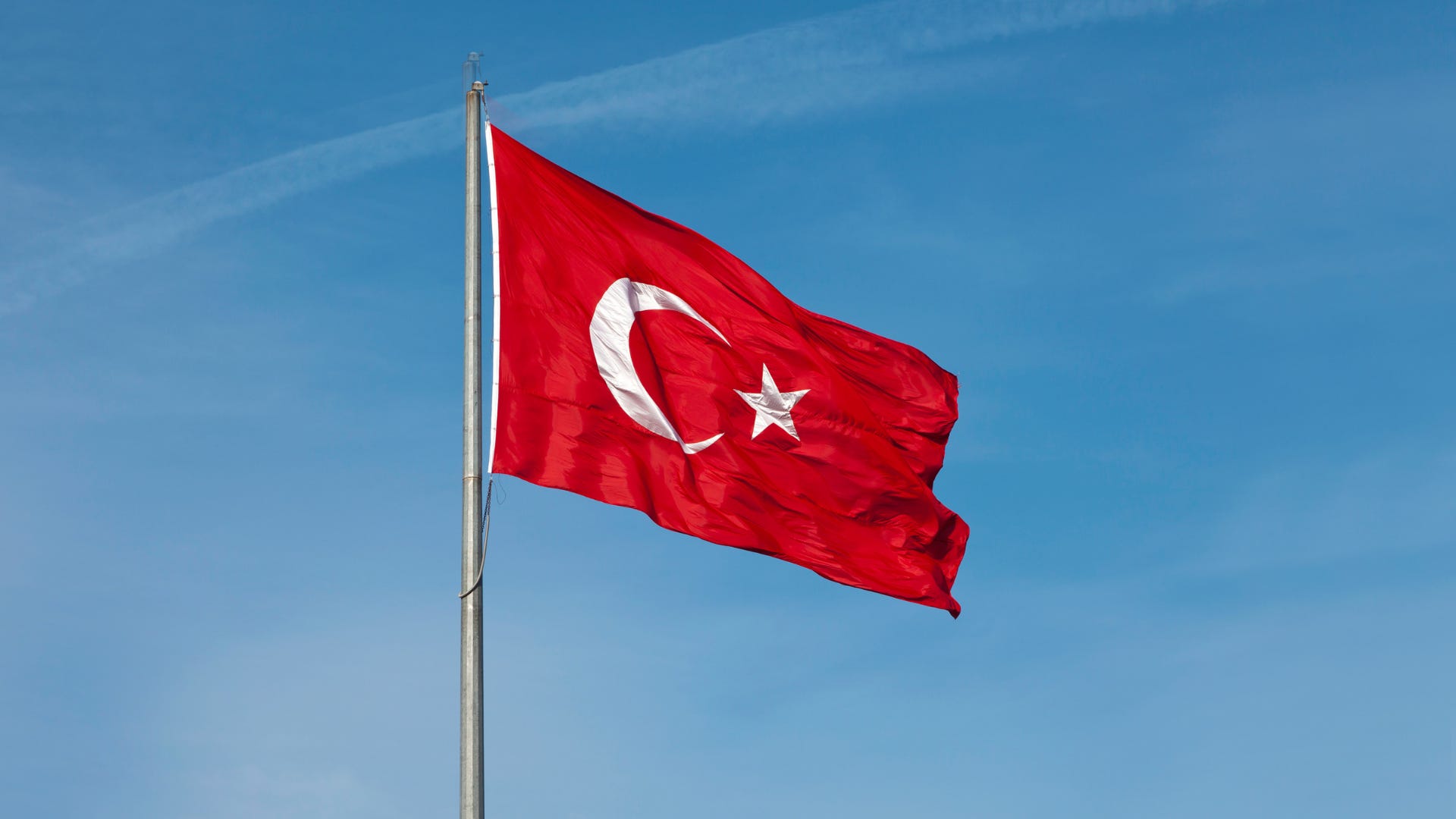
» Turkey Raids Opposition Channel Sözcü TV
Turkish authorities raided the headquarters of Sözcü TV, detained several executives, and appointed state trustees to run the broadcaster.
Details:
Prosecutors said they are investigating Sözcü TV for allegedly violating anti-terror financing laws and for suspected links to the network of the late U.S.-based cleric Fethullah Gülen.
Turkey accused Gülen of orchestrating a failed military coup in 2016 and has branded his network of supporters a terrorist organization.
The prosecutors’ office cited suspicion that Sözcü TV and other media outlets linked to its owner were being financed by overseas accounts.
Some critics linked the trusteeship to the channel’s extensive coverage of an investment fund scandal that led to the resignation and arrest of a senior member of President Recep Tayyip Erdoğan’s ruling party.
The raid came weeks after trustees took control of another opposition news channel, Halk TV, in an alleged corruption investigation.
Our Take: Turkey continues to silence independent media. At The Bedrock Principle, Medeni Sungur wrote that Halk TV was the 10th television channel placed under state-controlled management in about 20 months. He warned that “the most consequential stories may not be the ones that were censored but the ones nobody ever dared to publish.”
» Taliban Bans Cricket Coverage on Kandahar Radio
The Taliban banned Kandahar radio stations from broadcasting cricket news, commentary, and live matches.
Details:
Three station editors and managers told Radio Free Europe/Radio Liberty they received verbal instructions from the provincial Department of Information and Culture. No written decree has been made public.
Local journalists said cricket broadcasts were already prohibited on television in Kandahar, leaving radio as the only way for people there to follow the sport.
One source said the department gave no reason for the ban. Another said it will hurt broadcasters financially.
» Norwegian Journalist Says India Canceled Visa Over Politics
Norwegian journalist Helle Lyng Svendsen said India’s Union Home Ministry canceled her visa hours before she was due to leave for a conference in Hyderabad.
Details:
Lyng Svendsen said she had political clearance and a valid visa, but the Indian Embassy in Norway called shortly before her departure to say she could not enter the country, without giving a reason.
She was scheduled to speak on a panel about the future of press freedom at the Bharat Summit, hosted by India’s Congress party.
Congress criticized the alleged cancellation and asked whether Prime Minister Narendra Modi or his government is afraid of facing questions.
In a post on X, the party recalled an incident in Oslo when Lyng Svendsen questioned Modi in a joint press event with Norway’s prime minister in May.
Lyng Svendsen has asked Union Home Minister Amit Shah to reconsider the decision.
She suspects that her criticism of Modi and her past reporting prompted the decision.
» Russia Jails Rights Lawyer for Treason
A Kaliningrad court sentenced human rights lawyer Maria Bontsler to 12 years in prison for treason.
Details:
Prosecutors said Bontsler passed information to Ukraine about Russian intelligence officers, which she allegedly gathered while representing defendants.
Bontsler denied the charges and called the case a “political reprisal.” Her lawyers say all the information was public and disclosed in open court.
Her trial was held behind closed doors, with independent lawyers and Bontsler barred from hearings.
» Cuban Journalist Says Agents Abducted Him
Journalist Vladimir Turro Paez alleged three Cuban State Security agents took him to a remote area of Havana, threatened him with a gun, and tried to force him to record a video resigning from CubaNet.
Details:
Turro was held for about 10 hours and threatened with prison if he continued working as a journalist. He said he will continue.
Two days earlier, he received an informal summons to State Security headquarters in Havana but did not attend.
An investigator gave him an official warning, accused him of “usurpation of legal capacity,” and said independent journalism is not permitted in Cuba.
Context:
» Azerbaijan Jails Two Journalists Over Foreign Funding
A Baku court sentenced Meclis.info journalists Imran Aliyev and Elgiz Gahraman to 10 and nine years in prison, respectively, on financial crime charges, the Committee to Protect Journalists reported.
Details:
Aliyev admitted receiving foreign funding, including from USAID, the German Marshall Fund, and the State Department, but denied the charges.
Gahraman was taken to a maximum-security prison Nov. 12 because of a 2017 drug conviction that the European Court of Human Rights later ruled unfair.
Context:
Meclis.info is one of four leading independent outlets targeted over alleged unlawful receipt of Western donor funding.
Nine people linked to Toplum TV were sentenced on similar charges in July, as mentioned in a previous Free Flow.
Azerbaijani law requires civil society groups to obtain state approval for foreign grants. The European Court of Human Rights has said violations are punishable only by fines.
Independent experts say authorities refuse to register independent organizations, making it impossible for them to receive foreign grants legally.
Ashley Haek is a Communications Manager at The Future of Free Speech.
Ajdin Muratovic is the Director of Communications at The Future of Free Speech and the Managing Editor of The Bedrock Principle.